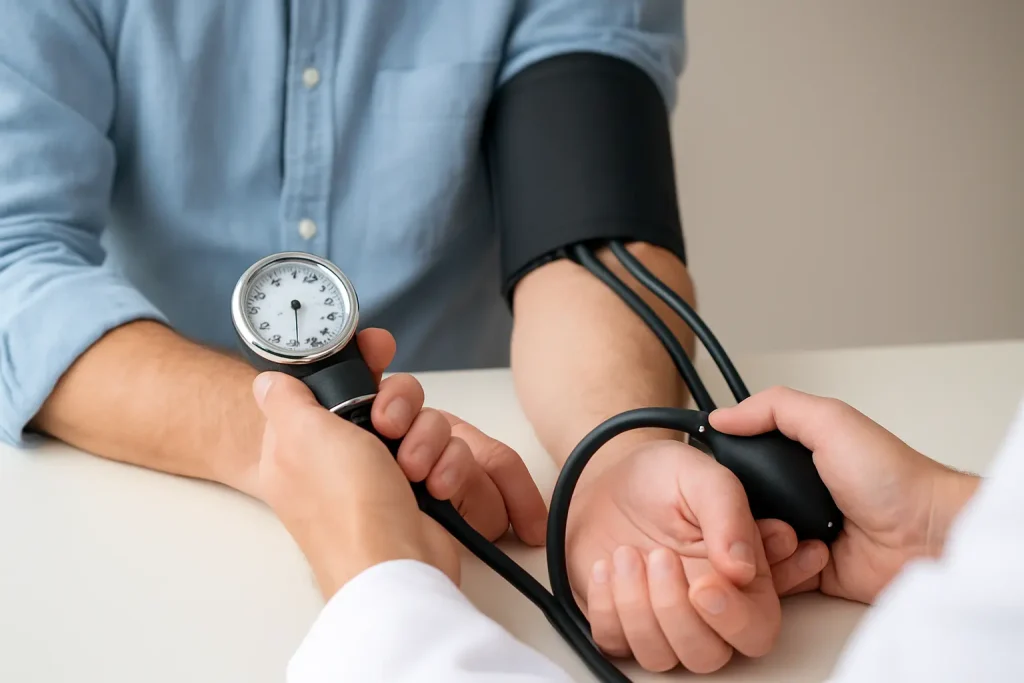
High blood pressure, also known as hypertension, is one of the most common health conditions worldwide. It occurs when the force of blood pushing against the walls of the arteries remains consistently too high.
Hypertension is often called the “silent killer” because many people have no symptoms until serious complications develop. If left untreated, high blood pressure can increase the risk of heart disease, stroke, kidney disease, vision problems, and other life-threatening conditions.
What Is Hypertension?
Blood pressure measures the force of blood against your artery walls as your heart pumps blood throughout your body.
Blood pressure is recorded using two numbers:
- Systolic pressure (top number): The pressure when the heart beats.
- Diastolic pressure (bottom number): The pressure when the heart rests between beats.
A normal blood pressure reading is generally considered below 120/80 mmHg.
Hypertension is typically diagnosed when blood pressure readings remain consistently at or above 130/80 mmHg in the United States or 140/90 mmHg in many international guidelines.
Why Is High Blood Pressure Dangerous?
When blood pressure remains elevated for a long period, the heart must work harder to pump blood through the body. Over time, this extra strain can damage blood vessels and vital organs.
Untreated hypertension can increase the risk of:
- Heart attack
- Stroke
- Heart failure
- Kidney disease
- Vision loss
- Dementia
- Peripheral artery disease
Blood Pressure Categories
| Category | Blood Pressure Reading |
|---|---|
| Normal | Less than 120/80 mmHg |
| Elevated | 120–129 systolic and below 80 diastolic |
| Stage 1 Hypertension | 130–139 systolic or 80–89 diastolic |
| Stage 2 Hypertension | 140/90 mmHg or higher |
| Hypertensive Crisis | 180/120 mmHg or higher |
A blood pressure reading of 180/120 mmHg or higher requires immediate medical attention, especially if accompanied by symptoms such as chest pain, breathing difficulty, or severe headache.
Symptoms of Hypertension
Most people with high blood pressure do not experience symptoms.
However, very high blood pressure may cause:
- Severe headaches
- Chest pain
- Dizziness
- Shortness of breath
- Blurred vision
- Nosebleeds
- Irregular heartbeat
- Fatigue or confusion
Because symptoms often appear late, regular blood pressure checks are essential for early detection.
What Causes High Blood Pressure?
There are two main types of hypertension:
Primary Hypertension
Primary hypertension develops gradually over time and does not have a single identifiable cause.
Common contributing factors include:
- Aging
- Family history
- Obesity
- Physical inactivity
- High salt intake
- Smoking
- Excessive alcohol consumption
- Chronic stress
Secondary Hypertension
Secondary hypertension occurs due to another medical condition or medication.
Possible causes include:
- Kidney disease
- Hormonal disorders
- Sleep apnea
- Certain medications
- Thyroid disorders
- Adrenal gland disorders
Risk Factors for Hypertension
Several factors increase the risk of developing high blood pressure:
- Age over 40 years
- Family history of hypertension
- Overweight or obesity
- Smoking
- Diabetes
- High cholesterol
- Sedentary lifestyle
- Excess sodium intake
- Chronic kidney disease
The World Health Organization estimates that approximately 1.4 billion adults worldwide are living with hypertension, making it one of the leading causes of premature death globally.
How Is Hypertension Diagnosed?
Hypertension is diagnosed using repeated blood pressure measurements over time.
Your healthcare provider may recommend:
- Office blood pressure monitoring
- Home blood pressure monitoring
- Ambulatory 24-hour blood pressure monitoring
Multiple readings are often needed because blood pressure can change throughout the day.
Treatment for High Blood Pressure
Treatment depends on blood pressure levels, overall health, and other medical conditions.
Lifestyle Changes
Many people can improve their blood pressure through healthy lifestyle habits:
- Reduce salt intake
- Eat a heart-healthy diet
- Exercise regularly
- Maintain a healthy weight
- Limit alcohol intake
- Stop smoking
- Manage stress
- Get adequate sleep
Medications
If lifestyle changes are not enough, doctors may prescribe medications such as:
- ACE inhibitors
- ARBs
- Calcium channel blockers
- Diuretics
- Beta blockers
These medications help lower blood pressure and reduce the risk of complications.
Can Hypertension Be Prevented?
Although not all cases can be prevented, healthy lifestyle choices can significantly reduce the risk.
Prevention strategies include:
- Staying physically active
- Eating more fruits and vegetables
- Limiting processed foods
- Reducing salt intake
- Maintaining a healthy body weight
- Avoiding tobacco use
- Managing stress effectively
Key Takeaways
Hypertension is a common but serious condition that often develops without warning signs. Regular blood pressure monitoring and early treatment can help prevent heart disease, stroke, kidney damage, and other complications.
If you have high blood pressure or risk factors for hypertension, speak with your healthcare provider about screening, lifestyle changes, and treatment options. Early action can make a significant difference in long-term health outcomes.
