
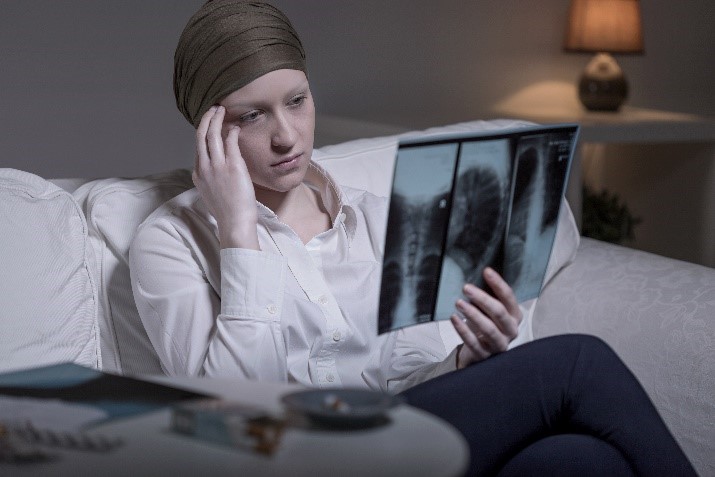
A cancer diagnosis affects more than just physical health. Many patients experience emotional and psychological challenges throughout their cancer journey, including feelings of sadness, fear, stress, anxiety, and depression.
These emotional responses are common and understandable. However, when feelings become overwhelming or persistent, they can affect quality of life, relationships, and even cancer treatment outcomes.
Understanding the signs of depression and anxiety can help patients and families seek support early and improve overall well-being.
How Common Are Depression and Anxiety in Cancer Patients?
Depression and anxiety are among the most common mental health conditions experienced by people living with cancer.
Research suggests that depression affects approximately 15% to 20% of cancer patients, while anxiety affects around 10% or more. Many patients experience both conditions at the same time.
These emotional challenges can occur at any stage of the cancer journey, including:
- During diagnosis
- Throughout treatment
- During remission
- After treatment ends
- During advanced or metastatic cancer care
Why Can Cancer Lead to Depression and Anxiety?
Cancer can affect emotional health in many different ways.
Common causes include:
- Fear of the future
- Concerns about treatment outcomes
- Financial stress
- Physical symptoms such as pain and fatigue
- Changes in appearance or body image
- Fear of recurrence
- Loss of independence
- Disruption of work and family life
Certain cancer treatments and medications may also contribute to mood changes and emotional distress.
Symptoms of Depression in Cancer Patients
Depression is more than feeling sad for a few days.
Symptoms may include:
- Persistent sadness
- Loss of interest in activities once enjoyed
- Feelings of hopelessness
- Difficulty concentrating
- Fatigue and low energy
- Sleep disturbances
- Changes in appetite
- Feelings of guilt or worthlessness
- Social withdrawal
If these symptoms persist for more than two weeks, professional support should be considered.
Symptoms of Anxiety in Cancer Patients
Anxiety may appear as constant worry or fear that interferes with daily life.
Common symptoms include:
- Excessive worrying
- Restlessness
- Difficulty sleeping
- Racing thoughts
- Muscle tension
- Irritability
- Rapid heartbeat
- Shortness of breath
Many cancer patients also experience anxiety before scans or follow-up appointments, a phenomenon often called “scanxiety.”
Who Is at Higher Risk?
Some patients may be more vulnerable to depression and anxiety during cancer treatment.
Risk factors include:
- Advanced-stage cancer
- Severe physical symptoms
- Poor sleep quality
- Limited social support
- Previous history of depression or anxiety
- Financial difficulties
- Younger age at diagnosis
Research shows that emotional and physical symptoms often interact and influence each other.
How Can Depression and Anxiety Affect Cancer Treatment?
Mental health challenges can affect cancer care in several ways, including:
- Reduced treatment adherence
- Missed appointments
- Poor appetite and nutrition
- Reduced physical activity
- Lower quality of life
Early recognition and treatment of emotional symptoms can improve both mental well-being and overall health outcomes.
Coping Strategies for Cancer Patients
Many approaches can help patients manage emotional distress during cancer treatment.
Talk About Your Feelings
Sharing concerns with family members, friends, or healthcare professionals can reduce feelings of isolation.
Join a Support Group
Connecting with others who understand similar experiences can provide comfort and encouragement.
Stay Physically Active
Light exercise, when medically appropriate, may improve mood and reduce stress.
Practice Relaxation Techniques
Activities such as meditation, breathing exercises, and mindfulness may help reduce anxiety.
Maintain Healthy Sleep Habits
Good sleep hygiene can improve emotional resilience and energy levels.
Seek Professional Support
Psychologists, counselors, psychiatrists, and oncology social workers can provide valuable support and treatment options when needed.
When Should You Seek Professional Help?
You should speak with your healthcare provider if symptoms:
- Last longer than two weeks
- Interfere with daily activities
- Affect sleep or appetite
- Make it difficult to continue treatment
- Include thoughts of self-harm or hopelessness
Mental health care is an important part of cancer care and should never be overlooked.
Key Takeaways
Depression and anxiety are common among cancer patients and survivors, but support and treatment are available.
Seeking help for emotional symptoms is not a sign of weakness. Addressing mental health concerns early can improve quality of life, strengthen coping skills, and help patients navigate cancer treatment with greater confidence and support.
No one should face cancer alone, and emotional well-being deserves the same attention as physical health.
