
Chemotherapy can affect the nerves in your hands and feet — a side effect called peripheral neuropathy — leaving them numb, tingly, extra sensitive, or clumsy. At home, that changes the safety maths of ordinary tasks: you may not feel a hot pan, a sharp knife, or a small cut the way you used to. Small adjustments — checking water temperature differently, making paths through the house clearer, protecting your feet — go a long way while you are in treatment.
Key Takeaways
- Chemo-related neuropathy usually affects both hands and both feet: numbness, tingling, pins and needles, sensitivity to cold, and trouble with fiddly tasks are common.
- The biggest home risks are burns, cuts, and falls — because reduced feeling means your usual warning signals arrive late or not at all.
- Simple habits protect you: test water with your elbow or a thermometer, use oven mitts and gloves, keep floors clear and well lit, and check your feet visually every day.
- Always tell your care team how your hands and feet are doing — they need to hear about changes promptly, and you should never adjust treatment on your own.
- Ask your team before starting any supplement or remedy for neuropathy; some can interfere with treatment.
What Chemo Neuropathy Feels Like
Some chemotherapy medicines can irritate or damage the long nerves that run to your hands and feet. Because those are the longest nerves in the body, the symptoms show up at the far ends first — fingers and toes. People describe numbness, tingling, pins and needles, a feeling like wearing tight gloves or walking on pebbles, burning or shooting sensations, and heightened sensitivity to cold. Buttons, coins, keys, and phone screens can become frustrating. Symptoms often build gradually over a course of treatment rather than arriving all at once, and they vary a great deal from person to person.
Neuropathy is one of several side effects that tend to accumulate as treatment goes on; our overview of managing chemotherapy side effects sets it alongside the others, and what to expect from chemotherapy explains why effects differ between the medicines used. Knowing the pattern in advance helps: if your fingertips start to feel different, that is a known effect to manage and report — not something you are imagining.
Why Everyday Tasks Need a Fresh Look
Feeling is a safety system. It tells you the pan handle is too hot to hold, the bath water needs more cold, your shoe is rubbing a blister, and the floor under your foot is uneven. Neuropathy turns the volume down on all of those signals at once. The tasks themselves have not changed — cooking, bathing, dressing, walking to the bathroom at night — but the feedback you rely on to do them safely has dulled, and grip and balance can be affected too.
The answer is not to stop doing things; staying active and independent matters during treatment. The answer is to swap in new checks that do not depend on fingertip or sole feeling: looking instead of feeling, using tools instead of bare hands, and arranging the house so the risky moments are fewer. Our pillar guide to living through breast cancer treatment covers the wider day-to-day picture that these adjustments sit within.
Kitchen and Bathroom Basics
In the kitchen:
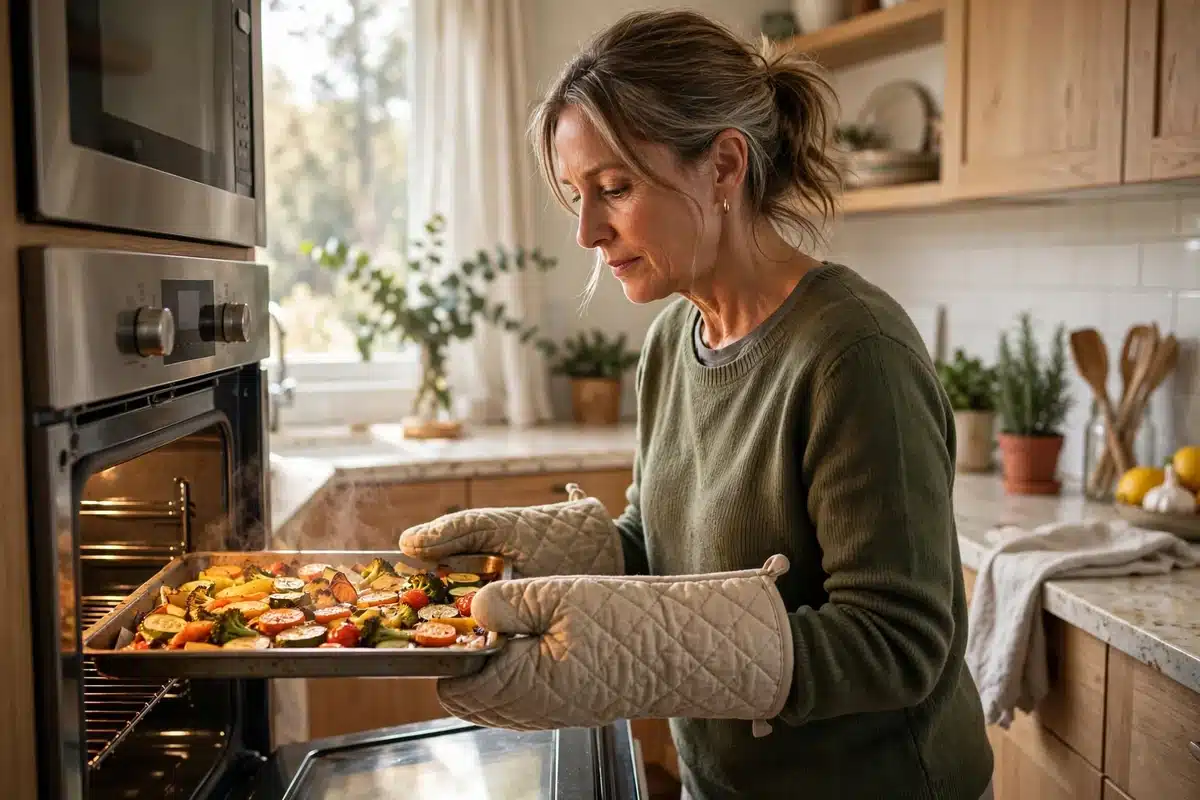
- Use oven mitts or thick pan holders every time — not a tea towel — and assume handles are hot even when you cannot feel it.
- Take extra care with knives: cut slowly, keep fingers curled away from the blade, and consider asking someone else to handle the sharpest jobs on your worst days. A cut you do not feel can be deeper than you realise.
- Prefer unbreakable cups and dishes where you can; numb fingers drop things, and broken glass plus numb feet is a bad combination.
- Let hot drinks cool a little and use cups with handles you can grip securely.
In the bathroom:
- Test bath and shower water with your elbow, the inside of your wrist, or a bath thermometer — not your hands or feet — before getting in.
- Consider turning your home water heater down if your household agrees, so tap water cannot scald.
- Use an electric razor rather than a blade if you shave, and be gentle with nail care: trim carefully in good light, or ask for help.
- Sit down for tasks you used to do standing, if your balance feels less reliable.
Moving Around the Home Safely
Falls are the other main risk, because feet that cannot feel the floor give your brain less information about balance. A short pass through the house with fresh eyes helps:
- Light the way. Keep hallways and the route to the bathroom lit at night — plug-in night lights are an easy fix.
- Clear the paths. Move the clutter, trailing cables, and loose rugs your feet used to navigate without thinking.
- Use the rails. Hold handrails on stairs, every time, and take them slowly.
- Protect your feet. Wear firm, closed shoes or slippers with non-slip soles indoors rather than walking barefoot or in socks, so a stubbed toe or a sharp object is felt by the shoe instead of missed by you.
- Check your feet daily. Because you may not feel a blister, cut, or sore, look at the tops and soles of your feet — with a mirror or a partner’s help if bending is hard — and mention anything that is not healing to your team.
- In the garden and garage: wear gloves for gardening and DIY, since thorns and splinters can break skin unnoticed, and check your hands afterwards.
Gentle regular movement still helps circulation and steadiness; our article on exercise during and after treatment discusses pacing activity safely — choose flat, familiar routes, and walk with someone when your footing feels unsure.
Comfort Ideas for Hands and Feet
Safety is half the story; the tingling and sensitivity can also be plain uncomfortable. Things people commonly find soothing include warm (not hot) socks and gloves in cool weather, since cold can sharpen the sensations; loose, soft footwear with room for your toes; and keeping hands busy with gentle tasks if stiffness creeps in. Some people find that tiredness makes symptoms feel worse, so the pacing and rest ideas in our article on coping with treatment fatigue are useful companions.
One firm rule: do not start vitamins, supplements, creams, or other remedies for neuropathy without asking your care team first. Products marketed for “nerve health” can interact with treatment or simply be unproven, and your team would rather hear the question than discover the product later. The same goes for anything a well-meaning friend suggests — check it with the team, then decide.

When to Call Your Care Team
Your team expects to hear about neuropathy — it is one of the effects they monitor when they plan and review your treatment, and they can only factor it in if you report it. Tell them promptly, rather than waiting for the next routine visit, if:
- the numbness or tingling is getting noticeably worse, or spreading;
- you burn or cut yourself and did not feel it happen;
- you have a fall, or feel unsteady on your feet;
- everyday tasks — fastening buttons, holding a pen, using cutlery — become difficult;
- pain in your hands or feet disturbs your sleep or your day.
Never skip, delay, or change a treatment dose on your own because of neuropathy. If the symptoms are becoming a problem, say so plainly and ask what can be done — that conversation is exactly what the team is there for, and there may be options for timing, support, or symptom relief that they can discuss with you. Sleep disruption from symptoms is also worth reporting; our article on sleep problems during treatment and recovery has background on why rest matters while you heal.
What to Do Next
- Walk through your home today with the checklist above and fix the easy things: night lights, clear paths, mitts by the oven, firm slippers by the bed.
- Start a short symptom note — date, where you feel it, what it feels like, and anything you burned, cut, or dropped. Patterns are easier to describe, and to act on, when they are written down.
- Tell your care team about the symptoms at your next contact — sooner if anything on the “when to call” list applies.
- Ask before trying any supplement, cream, or remedy for your hands and feet.
- Share this article’s basics with the people you live with, so they understand why the house is arranged a little differently for a while.
Frequently Asked Questions
Will the numbness go away after chemotherapy ends?
For many people it improves gradually after treatment finishes, sometimes over a long period. For some, a degree of numbness or tingling lingers. It differs a great deal between individuals and between medicines, which is why your team tracks it during treatment and why reporting changes early — while you are still having treatment — matters most.
Should I stop treatment if my hands go numb?
Do not change or stop anything on your own. Neuropathy is information your team needs, and they are the ones who weigh it against the benefits of the treatment plan. Tell them promptly and specifically what you are feeling; decisions about the plan are made with you, not by you alone at home.
Can vitamins or supplements help my nerves?
Ask your care team before taking anything marketed for nerve health. Some supplements can interfere with how treatment works, and evidence for most is limited. Your team knows what you are receiving and can tell you what is safe to try and what to avoid in your situation.
Is it safe to drive with neuropathy in my feet?
If you cannot feel the pedals reliably, or your feet slip or react slowly, do not drive until you have discussed it with your team. Many people with mild symptoms drive without difficulty, but the honest test is whether you can feel and control the pedals with confidence — if in doubt, ask, and arrange lifts in the meantime.
What should I tell my team at each visit?
What has changed since last time: where the numbness or tingling is, whether it is worse, any burns, cuts, or falls you did not feel, and any everyday tasks that have become hard. Bringing your written symptom note makes this easy — and teams would much rather hear a list than a brave “fine.”
Related Articles
- Living Through Breast Cancer Treatment: A Practical Day-to-Day Guide
- Managing Chemotherapy Side Effects
- Chemotherapy for Breast Cancer: What to Expect
- Exercise During and After Breast Cancer Treatment
- Fatigue During Treatment: Gentle Ways to Cope
This article is for general educational purposes only and is not medical, legal, or financial advice. It does not replace professional care. Talk to your doctor or care team about your own situation. If you think you may have a medical emergency, call 911.