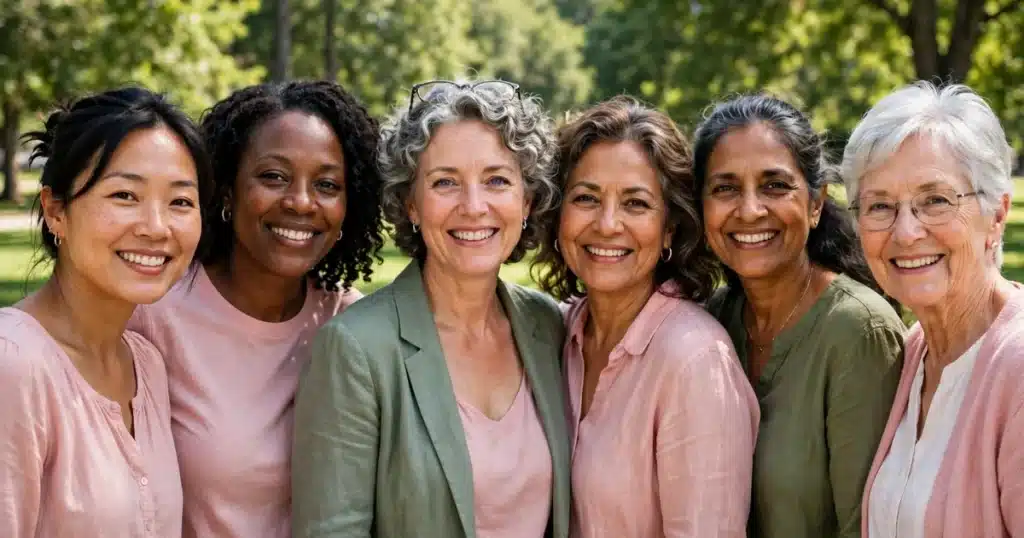
National Cancer Survivors Day is an annual celebration of life held on the first Sunday in June. On that day, communities across the United States gather to honour people who have lived through cancer, to stand alongside those still in treatment, and to say — publicly and together — that life after a diagnosis is real and worth celebrating. Breast cancer survivors are a large and visible part of the day, and you will see plenty of pink in the crowd, but the day belongs to survivors of every kind of cancer. This article explains what the day is, how it is usually marked, and the different ways people take part — including quietly, or not at all.
Key Takeaways
- National Cancer Survivors Day falls on the first Sunday in June each year.
- It is a celebration of life after diagnosis — for survivors of all cancers, at every stage, including people still in treatment who count themselves survivors.
- Communities mark it with gatherings, walks, ceremonies, and small local events. Many people mark it privately, with family, or not at all — every one of those is a legitimate choice.
- The word “survivor” has no single official definition for the day: many people use it from the day of diagnosis onward, others from the end of treatment. What it means is yours to decide.
- The day can stir mixed feelings — pride and gratitude alongside grief or worry, especially for people recently diagnosed or in treatment. That is a normal response too.
- It is one moment in a year-round landscape of awareness days and observances that keep cancer visible and support close at hand.
What Is National Cancer Survivors Day?
Most cancer awareness dates are about a disease. This one is about the people. National Cancer Survivors Day was created as a celebration of life: a set day each year when survivors, families, friends, and the professionals who care for them can gather, be visible, and draw encouragement from one another. A nonprofit foundation coordinates the day nationally, providing the date and materials, while the events themselves are local — organised by hospitals, cancer centers, support organisations, and community groups in their own towns.
Our pillar guide to breast cancer awareness and resources sets this day in its wider landscape — the awareness months, walks, and observances that structure the cancer calendar — and the survivors day has a distinct place in it. Awareness days ask the public to pay attention to a disease; this day asks everyone to pay attention to the growing community of people living during and after one. It is also, deliberately, a hopeful day: not a denial of how hard cancer is, but a public insistence that a diagnosis is not the end of the story.
When It Falls Each June
The date is simple to remember: the first Sunday in June, every year. The early-summer timing is part of the day’s character — events lean outdoors, into parks, hospital gardens, and town squares, in the best weather of the year. Because it is anchored to a Sunday rather than a fixed date, the exact calendar date shifts slightly from year to year, so it is worth checking rather than assuming.
One practical note: while the day itself is that Sunday, local events sometimes sit on the nearest weekend or spread across the surrounding week, depending on the organiser. If you plan to attend something, confirm the local details with the hosting organisation rather than relying on the national date alone. Our breast cancer awareness calendar shows where this day sits among the year’s other cancer observances, several of which fall in the same busy season.
How Communities Mark It
There is no single format, and the variety is part of the charm. Common ways communities mark the day include:
- Gatherings and celebrations hosted by hospitals and cancer centers — receptions where survivors meet their care teams again in a happier setting, often with families welcome.
- Celebration walks — short, non-competitive walks in parks and around hospital grounds, more parade than race, with teams of family and friends walking alongside the survivor in their life.
- Ceremonies and moments of recognition — a few words from organisers, sometimes a collective moment such as releasing balloons, planting a tree, or ringing a bell, to mark survival itself.
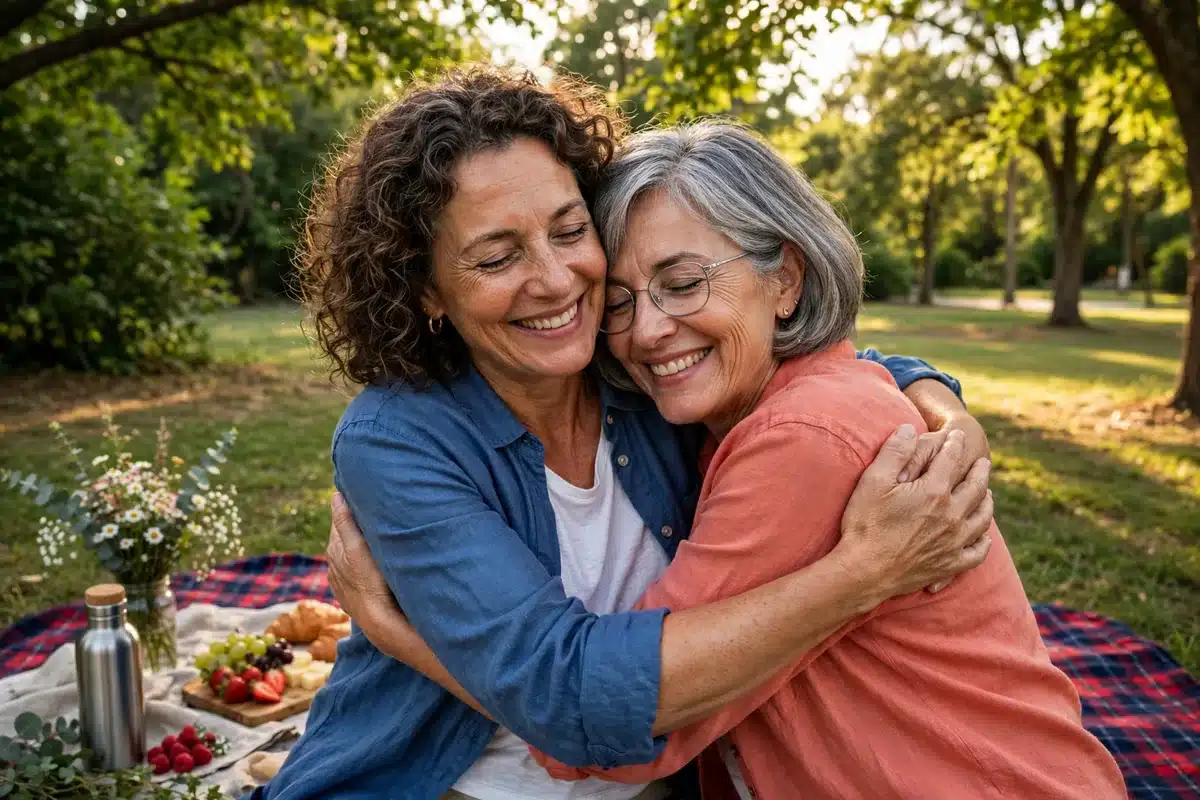
- Picnics and community events — food, music, information stalls from local support organisations, and space for children and grandchildren to be part of the day.
- Small and private markings — a family lunch, a walk with one friend, a quiet moment at home. These count just as much; the day is an invitation, not an obligation to perform.
If an event involves fundraising or collections, the usual good practice applies: give through the organisation’s own official channels, and check on its official website where money goes before you donate. That habit protects every charity day, this one included.
What It Means for Breast Cancer Survivors
Breast cancer survivors are among the most visible communities on this day, and the pink in the crowd makes them easy to spot. For many, the day lands well: it recognises survivorship as a phase of life in its own right — with its follow-up appointments, its lingering after-effects, and its hard-won ordinary days — rather than treating the end of treatment as the end of the story. That recognition is the day’s deepest usefulness for breast cancer survivors: a public acknowledgement that life after treatment is a real landscape with its own terrain, which our guide to life after breast cancer explores in full.
The day also quietly makes a point about numbers and hope, without needing to state any figures: a crowd of survivors, of all ages and all stages of the journey, is itself the message. People newly diagnosed sometimes attend specifically to see that crowd — to stand among hundreds of people who were once sitting where they are sitting. Organisers of local events often say that is the moment the day is really for.
Ways to Take Part — Big, Small, or Not at All
- Attend a local event. Check with your hospital, cancer center, or local support organisations whether anything is planned near you, and what the format is, before the first Sunday in June.
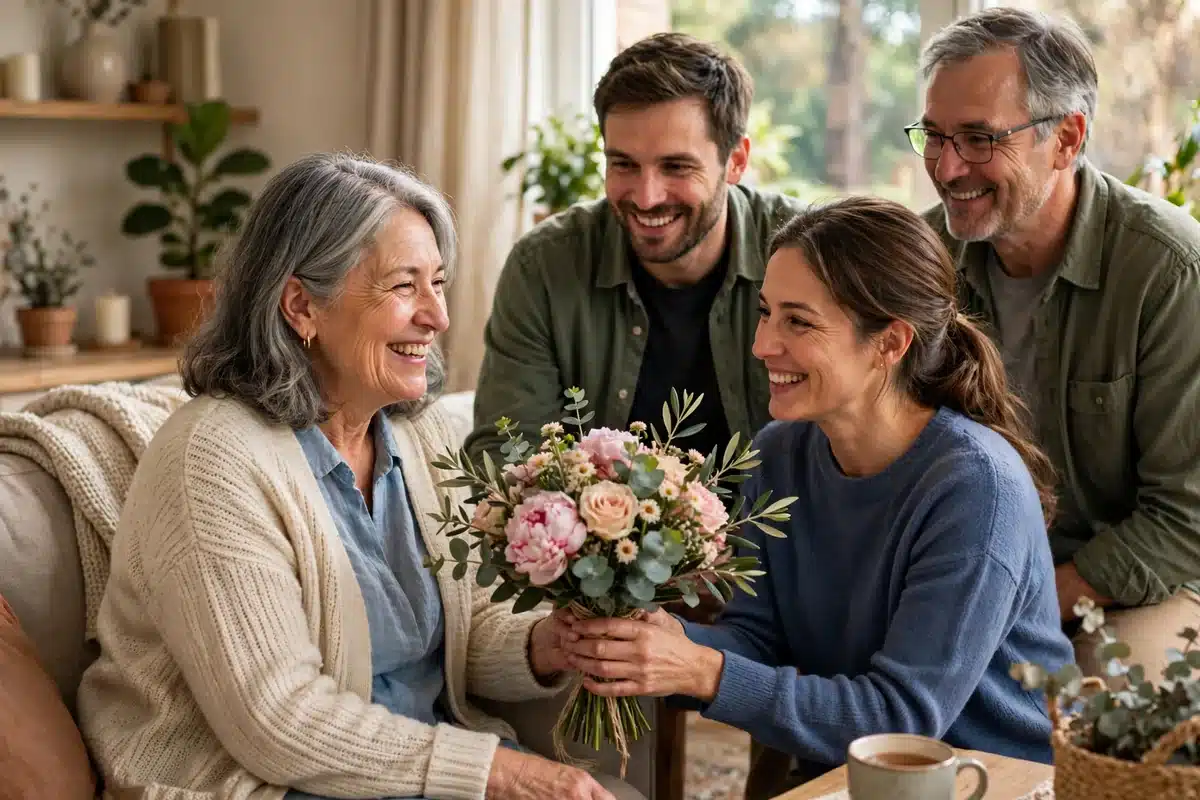
- Bring your people. The day explicitly includes families, friends, and caregivers — the people who lived the experience alongside you. Many survivors say going together is the point.
- Volunteer. Survivors often help run these events — greeting, walking with newcomers, sharing practical knowledge of local support. Helping is a way to take part with a role, which some people prefer to being celebrated.
- Mark it privately. A walk on a favourite route, a meal with family, a donation to a cause you trust, or simply noting the date with satisfaction — all are complete ways to observe the day.
- Reach out to one person. A message to someone newly diagnosed — “thinking of you today” — costs nothing and can mean a great deal. The day is as much about looking back along the road as celebrating your own place on it.
- Skip it entirely. If the day is not for you, that is a complete and respectable decision. No survivor owes the public a performance of survivorship on schedule.
If the Day Feels Complicated
Honesty requires this section, because a celebration of survival does not land the same way for everyone. If you are in the middle of treatment, a festival of survivorship can feel like a party for a country you have not reached yet — and may, on a bad day, sharpen rather than soothe. If your cancer is advanced or has come back, imagery focused on “beating” cancer can feel excluding; many people in that situation count themselves survivors in the fullest sense — living with and beyond a diagnosis every day — while finding some of the day’s cheerfulness hard to be around. And for families who have lost someone, the day sits close to grief, even when it also brings pride in how their person lived.
All of those responses are normal, and none of them is a failure of attitude. Observances like this one work because they are broad and public; the cost of that breadth is that they cannot fit every private situation, as our explainer on how awareness observances work discusses. Take from the day what fits, leave the rest, and if a cancer observance leaves you low rather than lifted, that is worth mentioning to your care team or a counsellor — support is for the complicated feelings at least as much as the simple ones. Our reflection on awareness versus action makes a companion point: the value of days like this is finally measured in what they prompt — support given, checks kept, people reached — not in how anyone is required to feel about them.
Individual experiences of this day differ as much as individual experiences of cancer do. There is no correct way to be a survivor on the first Sunday in June, or on any other day.
Questions to Ask
- (Your hospital or cancer center) Are you holding a National Cancer Survivors Day event this year, and is it open to patients and families?
- (A local organiser) What is the format — walk, ceremony, picnic — and is it suitable for someone currently in treatment, or for children?
- (A support organisation) How do I find events near me, and do I need to register?
- (Your care team) I find awareness days emotionally complicated. Is that something other patients mention, and what support is around?
- (Yourself) How — if at all — do I want to mark this day this year?
Frequently Asked Questions
When is National Cancer Survivors Day?
It is held on the first Sunday in June, every year. Because it follows the Sunday rather than a fixed calendar date, the exact date varies slightly from year to year — check the date for the current year rather than relying on memory, and confirm the timing of any local event with its organiser, since some events sit on the surrounding weekend.
Who counts as a survivor for this day?
There is no official test. Many people and organisations describe a survivor as anyone living with a history of cancer, counted from the day of diagnosis onward — which includes people still in treatment. Others personally prefer to count from the end of treatment. The day is deliberately inclusive: if you feel it includes you, it does.
Is the day only for breast cancer survivors?
No. It is for survivors of every kind of cancer, together with their families, friends, and care teams. Breast cancer survivors are simply one of the most visible groups at events — expect a lot of pink in a genuinely multicoloured crowd.
I am still in treatment. Is the day for me?
Yes, if you want it to be. Many people in treatment attend — some for encouragement, some to see a crowd of people further along the road. Others find it too much mid-treatment, and wait for another year, or mark it privately. Both choices are entirely reasonable; your energy and feelings that week are the right guide.
How do I find an event near me?
Start with the places that already know you: your hospital or cancer center, its survivorship or support services, and local cancer support organisations — they host or list most events. National cancer organisations’ websites (such as cancer.org) also carry event and programme information; check details on the official site, as arrangements are local and change year to year.
What if I do not feel like celebrating?
Then do not — this article gives you explicit permission, for what it is worth. Survivorship includes hard days, complicated feelings, and plain indifference to ceremonies, and the day makes no demands. If observances consistently leave you distressed rather than merely unmoved, mention it to your care team; that reaction is common and support exists for it.
Related Articles
- Breast Cancer Awareness and Resources: The Complete Guide
- Breast Cancer Awareness Days, Weeks, and Months: A Year-Round Calendar
- How Awareness Observances Work
- Awareness vs. Action: Turning October Pink Into Practical Help
- Life After Breast Cancer: A Survivorship Guide
This article is for general educational purposes only and is not medical, legal, or financial advice. It does not replace professional care. Talk to your doctor or care team about your own situation. If you think you may have a medical emergency, call 911.