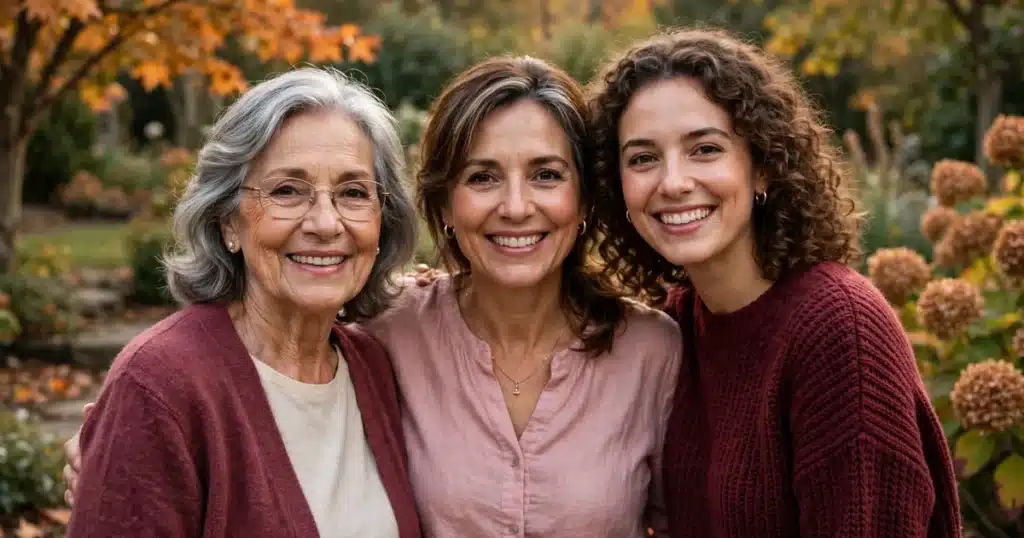
Hereditary Breast and Ovarian Cancer Week is an awareness observance held each fall in the United States. It focuses on the breast and ovarian cancers that run in families because of inherited gene changes — and on the people who carry those changes, including those who have never had cancer. Its message is simple: knowing that cancer runs in your family is information you can take to your own doctor, and family history is worth talking about out loud.
Key Takeaways
- The week is observed each fall and sits alongside National Previvor Day, which honours people who carry an inherited cancer risk but have not had cancer.
- Breast and ovarian cancers share a week because the same inherited gene changes can raise the risk of both within a family.
- Most breast cancers are not hereditary. The week is about the smaller group of families where cancer follows an inherited pattern — and about those families knowing their history counts.
- Organisations use the week for education about family history, inherited risk, and where to find reliable information.
- What the week asks of individuals is modest: learn your family’s history, share it with relatives, and raise it with your own doctor if it concerns you.
What This Week Is
Awareness weeks work by concentration: for a few days each year, charities, clinics, and communities talk about one subject at the same time, so it gets heard above the noise. Hereditary Breast and Ovarian Cancer Week — often shortened to HBOC Week — is the fall observance devoted to inherited breast and ovarian cancer risk. It is closely associated with National Previvor Day, observed within the same period, which gives the week its distinctive second theme: not only people who have had these cancers, but people living with the knowledge that their risk is raised.
The week sits in the wider calendar of observances described in our pillar guide to breast cancer awareness and resources, and its timing, just before Breast Cancer Awareness Month in October, is no accident: it opens the autumn conversation with the families for whom cancer awareness is not a campaign but a family story. Our breast cancer awareness calendar places it among the year’s other dates.
Why Two Cancers Share One Week
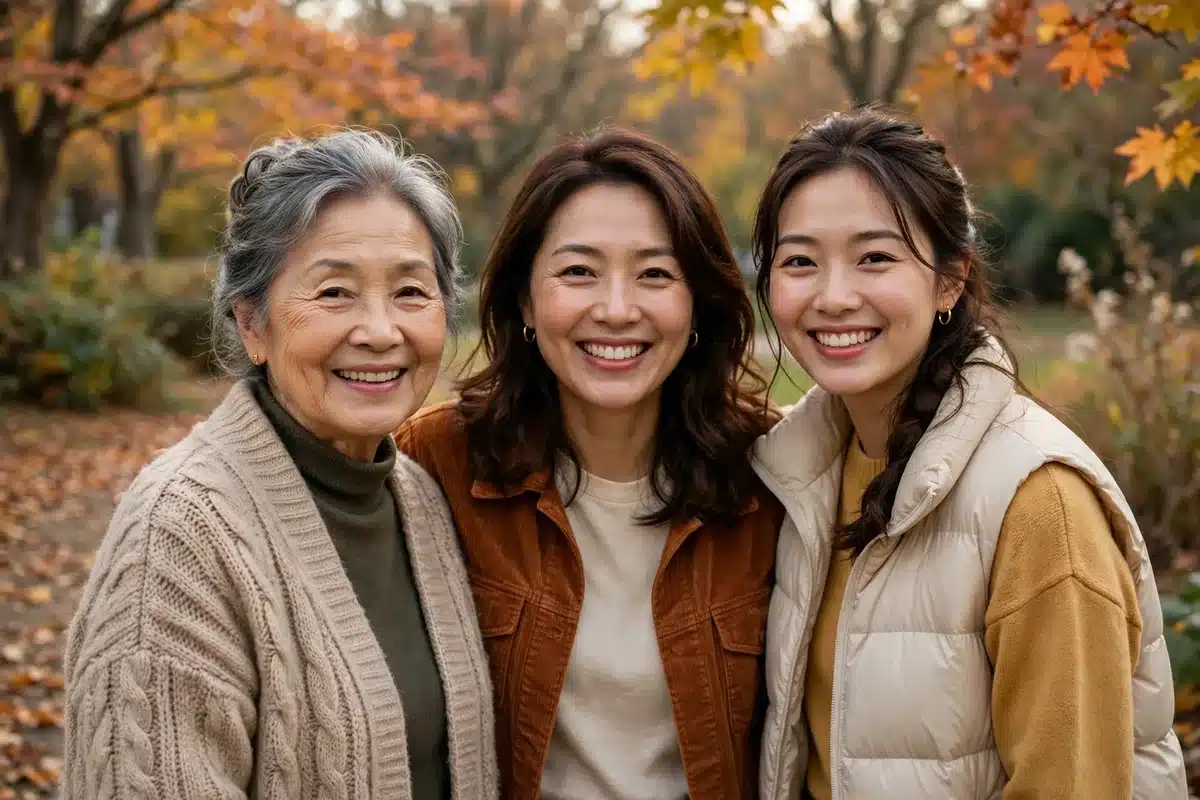
People sometimes wonder why breast and ovarian cancers are paired. The reason is inheritance: certain gene changes that can be passed down in a family raise the risk of both cancers. A family with such a change may see breast cancer in one relative and ovarian cancer in another, across different generations. Looking at only one of the two cancers would miss the pattern; the week treats them together because, in these families, they are together.
That is also why the week talks so much about family history as a whole — both sides of the family, fathers as well as mothers. An inherited change can be passed down through a father as well as a mother, and cancers in male relatives, including breast cancer in men, can be part of the same family picture. Seeing the whole pattern is what makes the information useful.
What “Hereditary” Means, in Plain Words
Genes are the body’s instruction set, and everyone inherits a copy from each parent. Sometimes a copy carries a change — a variant — that means the instructions for protecting against certain cancers do not work as they should. A person who inherits such a change is born with a higher risk of particular cancers. The change can be passed on in turn to their children.
Three things keep this in proportion. First, most breast cancers are not hereditary: they arise during life through a build-up of influences and chance, in people with no strong family pattern. Second, carrying an inherited change is not a diagnosis — it means risk is raised, not that cancer is certain, and many carriers never develop cancer. Third, nobody chooses or causes their genes. A hereditary pattern in a family is nobody’s fault, a point our article on awareness for young women also makes when it encourages family conversations to start early.
Because figures, testing criteria, and guidance change and are individual, this article states no statistics and makes no recommendations about testing. Current general information is published by the American Cancer Society at cancer.org and the National Cancer Institute at cancer.gov.
Previvors: The People the Week Also Names
The word “previvor” was created by the hereditary-cancer community for a person who carries an inherited predisposition to cancer but has not had the disease. Previvors live in a particular in-between place: not patients, not untouched by cancer either. They may face decisions about screening, monitoring, and risk-reducing options, and a steady background awareness that other families never have to carry.
National Previvor Day, marked within the same fall period, exists so that this group is visible in the awareness conversation rather than standing at its edge. If you are a previvor, the day is a recognition that your experience — the appointments, the vigilance, the decisions, the family conversations — is a real part of the cancer story, even without a diagnosis in it.
How People and Organisations Mark the Week
- Education events and talks. Hospitals, clinics, and hereditary-cancer organisations run sessions — in person and online — on family history, inherited risk, and the questions to bring to your doctor.
- Family-history conversations. The week’s most repeated suggestion is also its simplest: ask. Families use the week as the prompt to record who had what, and at roughly what age — on both sides of the family.
- Sharing stories, carefully. People affected by hereditary cancer share their experiences to make the pattern visible. Organisations encourage accuracy and point readers toward verified information on their official websites.
- Fundraising for hereditary-cancer work. Some communities hold walks or fundraisers supporting education and support for affected families, in the spirit described in our article on how awareness observances work.
- Quiet participation. Reading one reliable article, recording your family history, or booking the conversation with your doctor you have been meaning to have — the week counts all of these.
If Family History Is on Your Mind
The week sometimes surfaces a worry that was already there: cancer appearing repeatedly in your family, relatives diagnosed young, the same or related cancers across generations. The constructive next step is a conversation, not a conclusion. Write down what you know of your family history — relatives, cancer types, approximate ages at diagnosis, both sides of the family — and take it to your own doctor. Your doctor can look at the pattern with you, explain what it may and may not mean, and talk through whether any further steps, such as a referral to discuss genetic counselling, make sense in your case. That judgement is individual and belongs in that conversation; a general article cannot make it, and this one does not try.
Telling relatives what you learn is the week’s other quiet theme. Family history is shared information: what you discover about your own risk picture may matter to a sister, a cousin, or a daughter, and the families who fare best with hereditary risk are usually the ones who talk about it openly, the way our article on male breast cancer awareness urges men in affected families not to assume the subject is not about them.
Questions to Ask
- (Your doctor) Given my family history, is there anything about my own risk I should understand better?
- (Your doctor) I have written down our family’s cancers on both sides. Can we look at the pattern together?
- (Your doctor) Would a conversation about genetic counselling be appropriate in my case — and if so, how is that arranged?
- (Your relatives) Can we record our family’s health history together while the older generation can still tell it?
- (An organisation running a week event, via its official website) What does the event cover, and is it aimed at patients, families, or people concerned about risk?
Frequently Asked Questions
When is Hereditary Breast and Ovarian Cancer Week?
It is observed each fall in the United States, in the period around National Previvor Day, shortly before Breast Cancer Awareness Month begins in October. Exact dates are set year by year, so if you are planning to attend an event, check the current year’s dates on the website of the organisation running it.
Does breast cancer in my family mean ours is hereditary?
Not necessarily. Breast cancer is common, so many families will have a relative who had it without any inherited pattern being involved. What makes doctors look more closely is a pattern: several relatives, diagnoses at younger ages, breast and ovarian cancers appearing in the same family, or breast cancer in a male relative. Only a conversation with your own doctor — and, where appropriate, genetic professionals — can assess your family’s picture.
What is a previvor?
A previvor is a person who carries an inherited change that raises cancer risk but who has not had cancer. The term comes from the hereditary-cancer community itself, and National Previvor Day, held in the same fall period as the week, honours this group specifically. Previvors often face ongoing decisions about monitoring and risk, which is why the week includes them by name.
Should I have genetic testing?
That is a personal decision to make with your own doctor, based on your family history and your own situation — not something a general article can recommend for or against. If your family pattern concerns you, the right first step is the family-history conversation described above. Your doctor can explain whether a referral to discuss testing makes sense for you, and what testing could and could not tell you.
How can I take part in the week if I have no family history?
Plenty of the week is for everyone: learning that hereditary risk exists, understanding why some families face extra decisions, and supporting the organisations that educate and support them. If the week prompts you simply to record your own family health history while relatives can still share it, that is a genuinely useful outcome — whatever the history turns out to contain.
Related Articles
- Breast Cancer Awareness and Resources: A Complete Guide
- Breast Cancer Awareness Days, Weeks, and Months: A Year-Round Calendar
- How Awareness Observances Work: Days, Weeks, Months, and Who Declares Them
- Breast Cancer Awareness Month: What It Is and How to Take Part
- Breast Cancer Awareness for Young Women: Starting the Conversation Early
- Male Breast Cancer Awareness: Why Men Need to Know the Signs Too
This article is for general educational purposes only and is not medical, legal, or financial advice. It does not replace professional care. Talk to your doctor or care team about your own situation. If you think you may have a medical emergency, call 911.