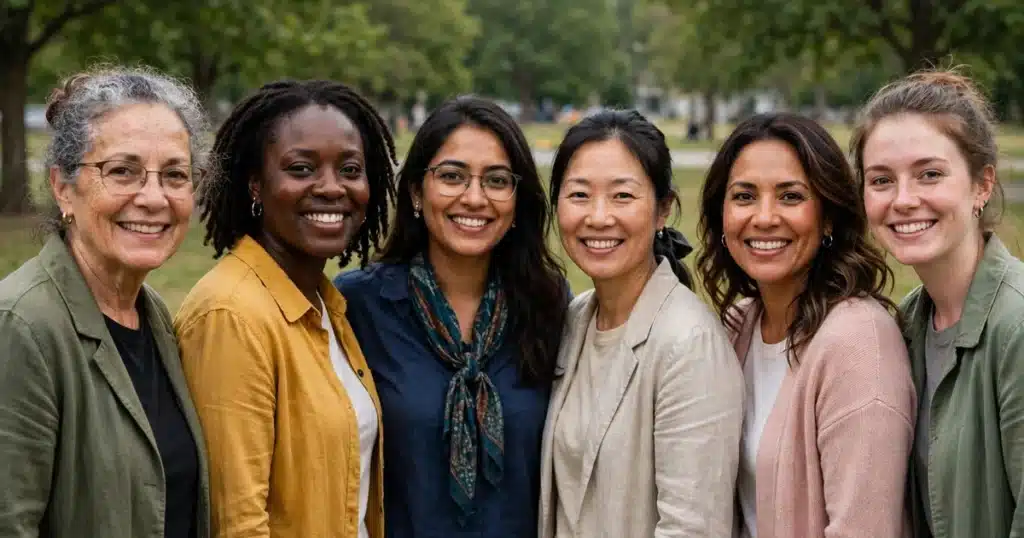
Awareness only works if it reaches people — in a language they understand, through messengers they trust, and in places where they already gather. Breast cancer awareness that takes language, culture, and community seriously is not a different message; it is the same important message, carried properly to everyone it is meant for.
Key Takeaways
- Effective awareness respects language: materials and conversations in the languages people actually speak at home, with skilled interpreters rather than family members translating medical news.
- Culture shapes how health messages are heard — family roles, privacy, faith, and trust in medical systems all influence what respectful outreach looks like.
- Community partnerships work better than leaflets alone: local leaders, faith communities, workplaces, and neighbourhood organisations carry messages further than distant campaigns.
- Good awareness listens first. Communities know their own barriers — transport, cost worries, time, mistrust — and effective programs respond to what they hear.
- Everyone can help: sharing reliable information from trusted sources, in accessible language, is awareness work anyone can do.
Why Reach Matters
The core awareness messages about breast cancer are simple to state: know what is normal for you, report changes promptly, attend screening when you are invited or advised, and know that help and information exist. Our pillar guide to breast cancer awareness and resources gathers those messages and the trusted places to check them. The harder question — the subject of this article — is delivery: whether those messages actually arrive, understandably and believably, in every community.
A poster in a language a neighbourhood does not read, an event held at a time working people cannot attend, or a campaign fronted by figures a community does not know — each fails quietly, without anyone intending exclusion. Awareness work that reaches everyone is therefore a design question as much as a medical one. It asks: who is not hearing this, why not, and what would hearing it actually require? The answers are local and specific, which is why this article stays general: it describes principles that thoughtful awareness efforts share, rather than claiming any single approach fits every community.
Language Access: More Than Translation
Language is the most visible part of reach. Materials written in a community’s home languages are the starting point — but good language access goes further than translating a leaflet word for word:
- Plain language first. A message that is clear and jargon-free in English translates well; a complicated one does not. Simple sentences, explained terms, and pictures that support the words help readers in every language.
- Spoken as well as written. Radio, video, community talks, and conversation reach people who prefer listening, whose literacy in any language is limited, or who simply absorb spoken information better. Awareness that exists only in print excludes by format, not just by language.
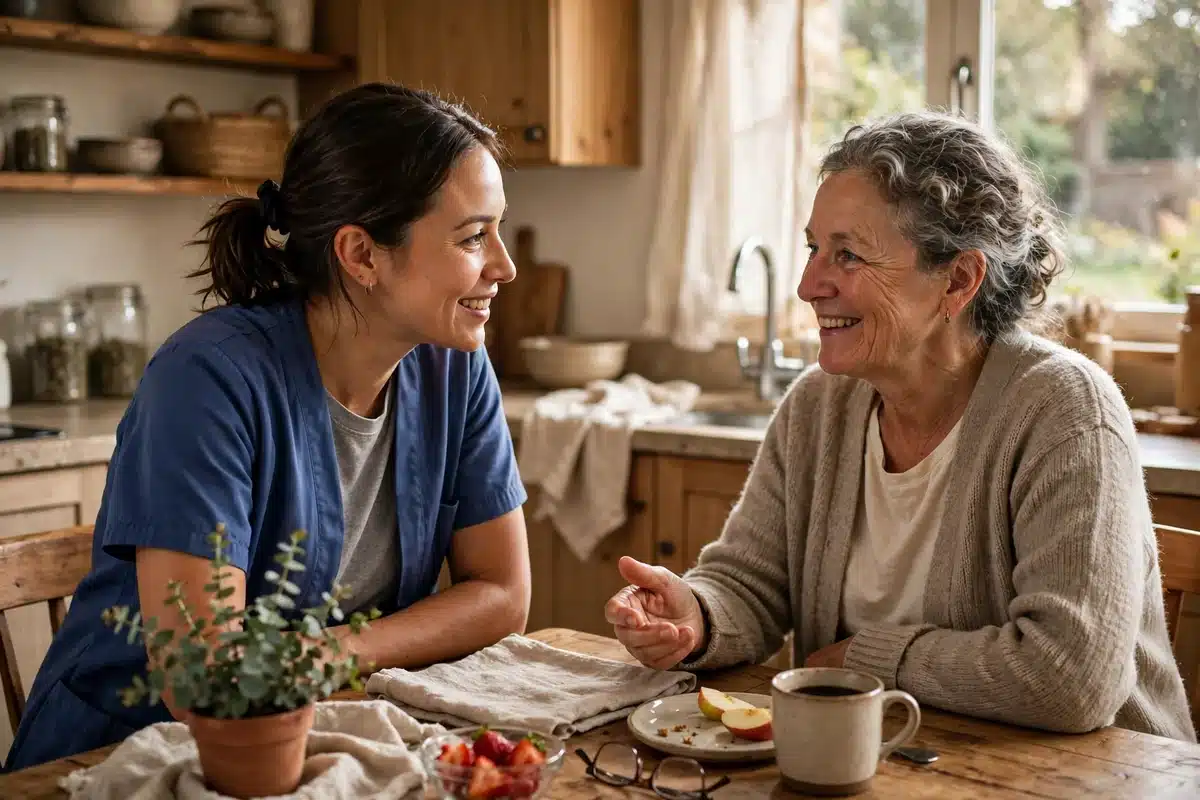
- Interpreters for real conversations. Screening questions, results, and appointments involve personal medical communication. In health care settings, professional interpreters — in person or by phone or video — should carry those conversations, rather than partners, friends, or children. If you need an interpreter for an appointment, you can ask the facility what language services they provide; asking is a normal and reasonable request.
- Checking understanding kindly. Good communicators invite people to say the message back in their own words — not as a test, but to catch misunderstandings early. Awareness workers who build this in treat their audience with respect.
Trusted national sources publish information in multiple languages and formats. The American Cancer Society at cancer.org, the National Cancer Institute at cancer.gov, and the Centers for Disease Control and Prevention at cdc.gov are reliable starting points when you are looking for accurate material to share — check each site directly for its current language options rather than relying on copies shared elsewhere.
Culture, Family, and Trust
Every community has its own ways of handling health, illness, and privacy, and awareness that ignores them tends to bounce off. In some families, health decisions are discussed collectively and elders’ views carry great weight, so a message aimed only at an individual misses how the decision will actually be made. In some settings, modesty and privacy around breast health make women-only spaces, women clinicians where possible, and careful handling of the topic essential rather than optional. Faith communities, for many people, are where trust already lives — a message carried by a faith leader, in a familiar hall, lands differently from the same words on a billboard.
Trust also has a history. Some communities have reasons, rooted in past experience, to be cautious about medical institutions and official campaigns. Respectful awareness work does not argue with that caution or lecture people out of it. It shows up consistently, tells the truth plainly, admits what it does not know, uses local messengers, and stays — because trust is built by behaviour over time, not by a single well-designed event. Our article on what raising awareness actually means explores this gap between hearing a message and being in a position to act on it.
| Awareness choice | Less likely to reach people | More likely to reach people |
|---|---|---|
| Language | One language, technical wording, print only | Community languages, plain words, spoken and written formats |
| Messengers | Distant officials or celebrities alone | Local health workers, faith and community leaders, survivors who volunteer to share |
| Venue and timing | A single downtown event in working hours | Neighbourhood venues people already use, at times working and caring people can attend |
| Framing | Fear-based or one-size-fits-all messages | Honest, hopeful messages shaped with the community, respecting privacy and family roles |
Community Partnerships in Practice
The strongest awareness efforts are usually partnerships: health services bringing accurate information, and community organisations bringing trust, venues, languages, and knowledge of local life. In practice this can look like a screening information session hosted at a community centre with interpreters present; a health talk after a faith service, arranged with its leaders; workplace sessions scheduled around shifts; or community health workers — people from the community itself, trained to share health information and help neighbours find services — carrying conversations door to door and kitchen table to kitchen table.
Partnership also means the community shapes the work, not just receives it. Which language is actually spoken at home (not always the one officials assume)? Is childcare the thing that would make attendance possible? Would a women-only session with a woman speaker double the audience? These are design facts only local partners know. Awareness months and national campaigns, described in our guide to Breast Cancer Awareness Month, provide a yearly spotlight — local partnership is what turns that spotlight into something that reaches a particular street.
Barriers That Are Not About Information
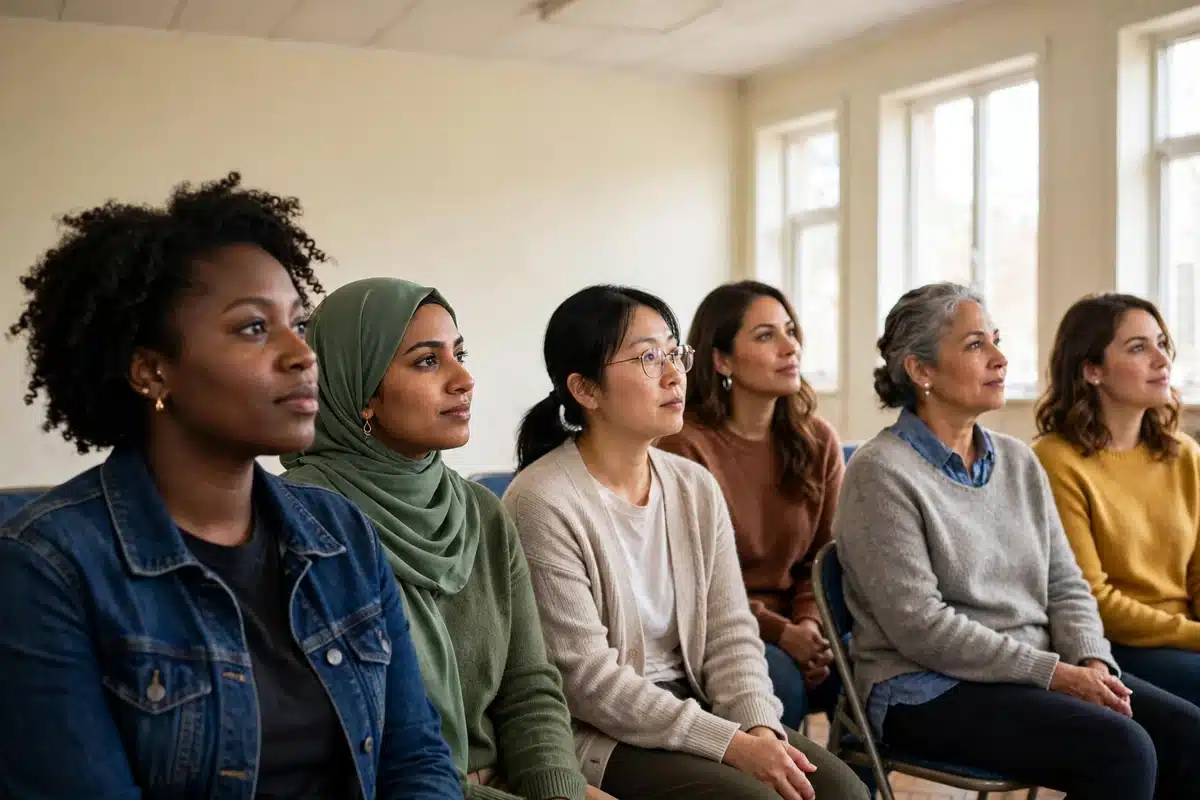
Sometimes people have heard the message clearly and still cannot act on it. The obstacle is not awareness but circumstance: no transport to a screening site, work that does not release them in clinic hours, worry about cost, caring responsibilities with no cover, or previous experiences of not being listened to. Awareness work that takes communities seriously treats these as part of its subject. Signposting practical help — transport assistance, financial counselling, community services — alongside the health message turns “you should” into “here is how you could.”
This is also why awareness aimed at different audiences looks different. Material for young women, covered in our article on awareness for young women, starts conversations early in life; awareness for men, covered in male breast cancer awareness, first has to establish that the topic includes them at all. In each case the principle is the same: start from the audience’s real starting point, not from the message you wish they had already heard. And as our article on awareness versus action argues, the measure of awareness is not how pink October looked, but what practical step became possible for someone who needed it.
What Individuals and Groups Can Do
- Share reliable sources, accessibly. Pass on information from trusted organisations such as those listed above, in the language and format your audience uses — a spoken explanation or a short video may travel further than a long document.
- Ask what would help. If you organise anything — a talk, a table at an event, a workplace session — ask community members and local leaders what language, timing, venue, and format would make it genuinely usable, then follow their answers.
- Use trusted local voices. Invite community health workers, local clinicians, faith leaders, and survivor volunteers who are willing to speak. Offer interpreters, and say so in the invitation so people know before they come.
- Respect privacy in how you invite. Women-only sessions, private question opportunities, and no requirement to share personal stories make attendance safer for many people.
- Pair information with practical help. Bring signposting for transport, costs, and local services to every awareness activity, so a convinced audience has a next step it can actually take.
- Stay after October. A group that appears once a year is a campaign; a group that is present, accurate, and helpful all year becomes a resource. Consistency is itself a form of respect.
If you are reading this as someone who wants better information in your own language or community, you are entitled to ask for it: health facilities can tell you what language services and materials they provide, and national organisations can tell you what they publish. Asking is not a complaint — it is how services learn what their community actually needs.
Frequently Asked Questions
Why does awareness need to be tailored at all? Is the message not the same for everyone?
The medical message is the same, but people receive messages through language, family, faith, work, and past experience — all of which differ. Tailoring is about delivery, not about different facts: the same accurate information, in the right language, from a trusted messenger, at a reachable time and place. Untailored campaigns routinely fail to reach exactly the people with the most barriers.
Where can I find breast cancer information in other languages?
Start with the official websites of the American Cancer Society, the National Cancer Institute, and the Centers for Disease Control and Prevention, which publish patient information in multiple languages — check each site directly for its current offerings. Your hospital or clinic can also tell you what translated materials and interpreter services it provides.
Should family members interpret at medical appointments?
Professional interpreters are the better option for medical conversations: they are trained for accuracy, they know medical vocabulary, and they let family members be family rather than translators of difficult news. If an interpreter has not been offered, ask the facility about its language services before the appointment — this is a standard request.
How can a small community group run respectful awareness work?
Partner rather than improvise: link with a local clinic, hospital outreach team, or established nonprofit for accurate materials and speakers; involve community and faith leaders from the start; provide interpreters and accessible timing and venues; and follow the community’s lead on privacy and format. Small and trusted beats large and distant.
What if screening itself is hard to reach, even when people are aware?
That is a practical barrier, not an awareness failure, and it deserves a practical answer: ask your clinic, local health department, or a national organisation’s helpline what transport, cost, and community screening support exists locally, and verify current details on official websites. Awareness efforts work best when they carry this signposting with them.
Related Articles
- Breast Cancer Awareness and Resources: The Complete Guide
- Breast Cancer Awareness Month, Explained
- A Short History of Breast Cancer Awareness
- What Does Raising Awareness Actually Mean?
- Awareness vs. Action: Turning October Pink Into Practical Help
- Breast Cancer Awareness for Young Women
This article is for general educational purposes only and is not medical, legal, or financial advice. It does not replace professional care. Talk to your doctor or care team about your own situation. If you think you may have a medical emergency, call 911.