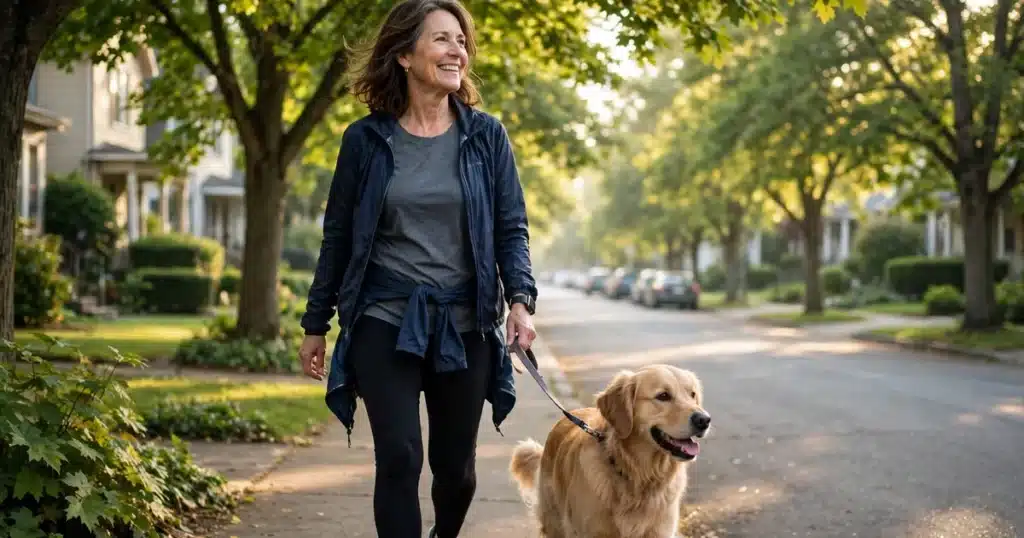
Survivorship is about the whole of your health, and that includes your heart. Some breast cancer treatments can affect the heart and blood vessels, which is one reason follow-up care looks beyond the breast — but heart health also rests on the same everyday foundations that matter for everyone: regular movement, nourishing food, not smoking, decent sleep, and knowing your own numbers. This article keeps to those everyday habits, and to the conversation worth having with your care team about your heart as part of life after treatment.
Key Takeaways
- Your heart is part of survivorship. Some treatments can affect the heart or blood vessels, so heart health belongs on the follow-up agenda.
- The strongest tools are everyday ones: regular physical activity, a balanced pattern of eating, not smoking, and enough sleep.
- Know your own picture — your blood pressure, cholesterol, and blood sugar as your team measures them — and ask what they mean for you.
- Start gently and build gradually. After treatment, fitness returns in steps, and your team can advise on a pace that fits your situation.
- Report new symptoms such as unusual breathlessness, chest discomfort, or palpitations promptly rather than attributing them to “just recovery.”
- Individual histories differ — treatment received, other health conditions, family history — so your own doctor or care team is the right guide to your heart plan.
Why the Heart Belongs in Survivorship
Breast cancer treatment is aimed at the cancer, but the body experiences it as a whole. It is well recognised that some treatments — certain chemotherapy medicines, some targeted therapies, and radiation that includes the chest area among them — can have effects on the heart or blood vessels, during treatment or later. That does not mean every survivor faces heart problems; far from it. It means the heart earns a place in the survivorship picture, alongside bones, mood, and everything else follow-up watches over.
There is a second, quieter reason. The years after treatment are also the years in which ordinary life resumes its influence. Heart and blood vessel health responds, for better or worse, to the accumulated pattern of daily life — how much you move, what you eat, whether you smoke, how you sleep, and conditions such as blood pressure and blood sugar that develop gradually and often silently. Our pillar guide to life after breast cancer treats survivorship as this whole landscape rather than a single organ, and the heart sits near the centre of it.
This article deliberately stays with everyday habits and with questions to raise with your team. Whether any particular heart checks belong in your own follow-up is an individual decision for your care team, based on the treatment you had and your overall picture — this article cannot make it, and general information about heart health after cancer is published by the American Cancer Society at cancer.org.
Habit One: Regular Movement
If there is a single habit that supports the heart, the body, and the mind at once, it is regular physical activity. Movement helps the heart and circulation, supports healthy blood pressure and blood sugar, strengthens bones, steadies sleep, and is one of the most reliable lifters of mood and energy in recovery. It does not need to be athletic. Walking is the workhorse: free, joint-friendly, and easy to build into a day.
- Start where you are. After treatment, stamina rebuilds in steps. A short daily walk you actually do beats an ambitious plan abandoned by Friday.
- Build gradually. Add a few minutes, or a slightly longer route, as the current level becomes comfortable. Gentle progression, not punishment.
- Break up sitting. Long unbroken stretches of sitting work against the heart even in people who exercise. Standing, stretching, and short walks through the day all count.
- Add some resistance. Light strength work — carrying shopping, gardening, simple exercises your team or a physiotherapist approves — helps muscles and bones as well as circulation.
- Make it social or scenic where you can. A walking friend, a dog, a pleasant route: activity that is enjoyable is activity that survives.
If you had surgery or treatment affecting an arm or shoulder, or you have any heart or joint condition, ask your care team what forms of activity suit you before starting something new. And stop and seek advice for chest pain, severe breathlessness, or dizziness during activity — those are never things to push through.

Habit Two: Food, Smoking, and Sleep
Heart-friendly eating is a pattern, not a diet with a name: plenty of vegetables, fruit, whole grains, beans and lentils; regular fish and lean proteins; olive-oil-style fats more often than butter and processed meats; and salt, sugar, and alcohol kept modest. No single food protects the heart, and none needs to be banished in guilt — it is the overall pattern, repeated most days, that the heart notices. Home cooking, even simple home cooking, makes the pattern easier because you control the salt and the portions.
| Everyday choice | Heart-friendly direction |
|---|---|
| Breakfast base | Whole grains and fruit more often than pastries and sweetened cereals |
| Protein | Fish, beans, lentils, eggs, and poultry in rotation; processed meats as an occasional food |
| Fats | Plant oils, nuts, and seeds in place of some butter and fatty meats |
| Flavour | Herbs, spices, citrus, and vinegar to carry flavour with less salt |
| Drinks | Water as the default; alcohol kept modest or none |
| Snacks | Fruit, nuts, and yogurt within reach before crisps and biscuits |
Smoking stands apart from every other habit in the scale of its effect on the heart and blood vessels. If you smoke, stopping is the single most valuable step available for your heart — and support to stop exists, from your care team and from national quit services; asking for that help is a normal part of a follow-up appointment. Sleep belongs here too: poor and broken sleep is hard on blood pressure, appetite, and mood alike, and it is common after treatment. Regular wake times, daylight early in the day, and raising persistent sleep problems with your team are unglamorous advice that genuinely helps.

Habit Three: Know Your Own Numbers
Some of the most important influences on the heart are silent. Blood pressure, cholesterol, and blood sugar can all drift in the wrong direction without producing any feeling at all — which is why they are measured rather than guessed. Part of survivorship self-care is simply knowing your own current picture: what your recent readings were, what your team makes of them, and when they will next be checked. General check-ups like these sit within ordinary ongoing care, as our article on routine health screenings for survivors describes.
Resist comparing your numbers with anyone else’s or with targets you find online. What matters is your own trend and your own overall situation — treatment history, other conditions, medicines, family history — weighed together by people who know you. If a reading concerns you, the productive step is a question, not a worry: “What does this mean for me, and is there anything we should do about it?”
The same “know your own picture” principle applies to the rest of survivorship health. Bone strength, for example, is another quiet system that treatment can affect, and it is covered in our article on bone health after breast cancer. Heart, bones, mood, and energy are not separate projects; they are one recovery, and the everyday habits in this article serve all of them at once.
Talking With Your Care Team About Your Heart
Many survivors are never quite sure whether the heart is something their team is watching, something another doctor watches, or something nobody is watching. That ambiguity is worth clearing up in one direct conversation. At a follow-up appointment, you can ask which aspects of heart health your team considers relevant given the treatment you had, whether your primary care doctor should be part of that picture, and which symptoms they would want to hear about promptly.
Make sure the circle of information is closed: your primary care doctor should know your treatment history, and your cancer team should know about heart-related conditions or medicines managed elsewhere. Survivorship care works best as shared care, and you are allowed to check that the sharing is happening.
Come back to the conversation if your picture changes — a new diagnosis of high blood pressure, say, or a strong family history of early heart disease emerging as relatives age. Individual cases differ, and the right heart plan for a neighbour with the same diagnosis may be wrong for you. Your own doctor or care team, who know your treatment and your history, are the right judges of yours.
Questions to Ask Your Doctor
- Given the treatment I had, is there anything specific about my heart we should keep in mind?
- What were my recent blood pressure, cholesterol, and blood sugar results, and what do they mean for me?
- How much physical activity would you advise for me now, and are there any forms I should avoid?
- Do my other medicines or health conditions affect my heart risk in ways we should discuss?
- Which symptoms should I report promptly rather than waiting for my next appointment?
- Should my primary care doctor be involved in watching my heart health, and will you share my treatment summary with them?
Frequently Asked Questions
Can breast cancer treatment really affect the heart?
Some treatments can. Certain chemotherapy and targeted therapy medicines, and radiation that includes the chest, are known to be capable of affecting the heart or blood vessels in some people. That is a reason for awareness and for follow-up, not for alarm — and it is exactly why your team is the right source on whether it applies to you, since it depends on the treatment you received.
What is the most useful thing I can do for my heart in survivorship?
Regular movement is the closest thing to a universal answer: it supports the heart, blood pressure, blood sugar, bones, sleep, and mood together. Beyond that, not smoking, a generally balanced pattern of eating, and knowing your own key numbers form the everyday core. Your team can tell you where your personal priorities lie.
I finished treatment a while ago and feel unfit. Is it too late to start?
No. Fitness responds to training at any point after treatment, and the heart benefits whenever the habits begin. Start gently, build gradually, and check with your care team first if you have any heart condition, joint problems, or treatment effects that limit you. Progress in survivorship is measured in months, and it counts.
Should I buy a device to monitor my heart at home?
Not unless your care team suggests it for your situation. Home devices vary in quality, and readings taken without a plan for what to do with them tend to produce anxiety rather than health. If monitoring would genuinely help you, your team can say so and tell you what to watch and when to act.
Which symptoms should I never ignore?
Chest pain or pressure, severe or unusual breathlessness, fainting, or a racing or irregular heartbeat that does not settle deserve prompt medical attention — the same as they would for anyone, survivor or not. Do not explain new symptoms away as treatment effects or anxiety; let a clinician make that judgement.
Related Articles
- Life After Breast Cancer: A Survivorship Guide
- Bone Health After Breast Cancer: Protecting Your Bones During Survivorship
- Routine Health Screenings for Breast Cancer Survivors
This article is for general educational purposes only and is not medical, legal, or financial advice. It does not replace professional care. Talk to your doctor or care team about your own situation. If you think you may have a medical emergency, call 911.