
National Mammography Day is an awareness day held each year during Breast Cancer Awareness Month in October, devoted to one specific message: mammograms matter, and women who are due for one are encouraged to book it. While the month as a whole covers every part of breast cancer awareness, this day narrows the focus to screening — what a mammogram is, why keeping up with your personal screening plan matters, and how anyone can take part.
Key Takeaways
- National Mammography Day is an awareness day that takes place during October’s Breast Cancer Awareness Month, with a single focus: mammography.
- Its purpose is practical — to remind women to know their own screening plan and to book a mammogram if they are due under that plan.
- Screening plans are individual. Age, personal history, and family history all shape them, guidelines differ between organisations, and your own doctor plus official sources are the reference — not a calendar event.
- Taking part can be personal (booking your own appointment), social (reminding a friend), or communal (events and information drives).
- An awareness day is a beginning, not the whole job: knowing your own normal and reporting changes promptly matters all year round.
What the Day Is
October’s Breast Cancer Awareness Month is a broad tent: fundraising, remembrance, education, and support all share the month, and its best-known symbol, the pink ribbon, stands for all of it at once. National Mammography Day sits inside that month with a deliberately narrower job. It is the day the awareness conversation turns to one concrete action — the mammogram — and asks a simple question of every woman who sees it: do you know whether you are due?
Clinics, workplaces, community groups, and health organisations mark the day in their own ways: information events, reminder campaigns, talks, and sometimes special screening sessions. There is no single ceremony and no one way to observe it, which is part of its usefulness — it scales from a national campaign down to one friend texting another. Our pillar guide to breast cancer awareness and resources places the day in the wider landscape of awareness efforts and the organisations behind them.
Why a Day Devoted to Mammograms
A mammogram is a specialised X-ray of the breast, and it is the standard tool of breast screening — checking for changes in women who have no symptoms, with the aim of finding anything concerning as early as possible. Screening only works, though, when people actually attend, and the gap between intending to book and booking is where awareness days earn their place. Life intervenes: appointments are postponed, letters are set aside, a busy season swallows the intention whole. A named day in the calendar acts as a collective nudge — a socially acceptable moment to book, and to remind the people you love to book.
What this article cannot tell you is when you personally should be screened. Recommendations vary between organisations and are shaped by individual factors such as age, family history, and personal history, and they are updated as evidence develops. Current guidance is published by the American Cancer Society at cancer.org and by the Centers for Disease Control and Prevention at cdc.gov. The day’s message is not “everyone, this week” — it is “know your plan, and if you are due under it, do not let it drift.”
How People Take Part
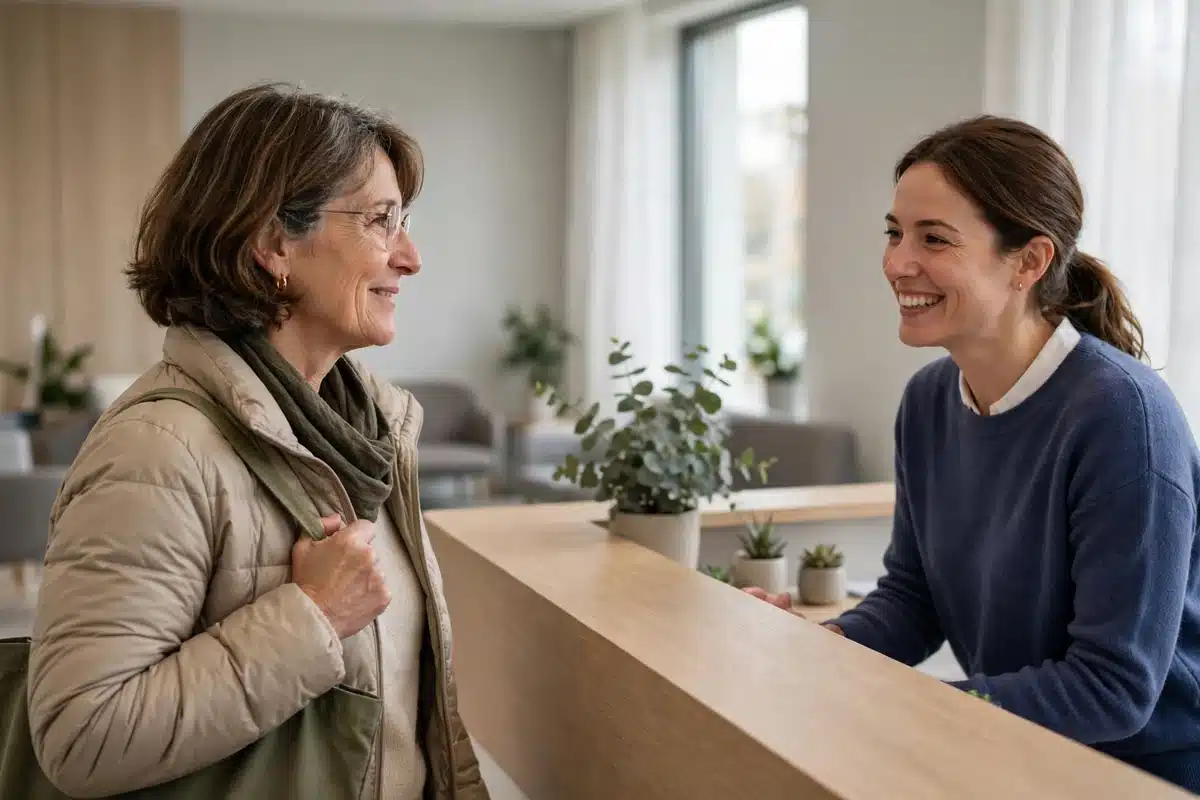
- Book your own. If you are due — or you are not sure whether you are — the day is a prompt to call your doctor or clinic and find out. Booking the appointment is the most direct form of participation there is.
- Remind someone you love. A gentle nudge between friends has booked more mammograms than any poster. If you want words, borrow and adapt these: “It’s Mammography Day, so here’s my friendly nudge — are you up to date with your mammogram? Very happy to drive you or come along if that helps.” Offered once, kindly, and without nagging afterwards.
- Take part in something local. Awareness talks, charity walks, workplace information sessions, and community events cluster around October. Joining one spreads accurate information and visibly supports the people in your community who are living with the disease.
- Share trustworthy information. If you post or forward anything, make it material from recognised organisations rather than unsourced forwards — and point people who need support toward the established organisations listed in our awareness and resources guide, checking details on their official websites.
- Support the organisations. Many people mark the day by donating to or volunteering with breast cancer charities. If you do, use the organisation’s official website so you know exactly who you are supporting.
If You Are Due — or Overdue
If the day arrives and you realise your mammogram is overdue, treat that as useful information, not a failing. It happens to enormous numbers of women for entirely ordinary reasons, and the correct response is simply to book now. A few things reduce the friction: knowing what happens during a mammogram removes most of the mystery, and if it is your first, our guide to preparing for your first mammogram covers what to expect and how to get ready. If you feel nervous, say so when you book — the staff who run these appointments do so all day, every day, and would rather know than have you quietly dread it.
Afterwards, your results will reach you by the route your clinic uses, and occasionally more images are requested — a callback is a routine part of screening and usually resolves to reassurance, though it deserves the same prompt follow-through as the first appointment. The day’s role ends at the booking; your own plan, agreed with your doctor, carries it from there.

Awareness All Year, Not Just in October
Screening is one strand of awareness; the other is knowing yourself. Between appointments, the habit that matters is breast self-awareness in the plainest sense — knowing how your breasts normally look and feel, and reporting a new or persistent change to a doctor rather than waiting for the next scheduled anything. That applies at every age: our guide to breast cancer awareness for young women makes the case that this conversation starts early, long before screening enters most women’s lives. And if you are curious how a single-focus day grew out of a month that itself grew from small beginnings, the history of breast cancer awareness traces the whole arc. Awareness days open doors; the walking through happens all year.
Questions to Ask Your Doctor
- Am I due for a mammogram under my personal screening plan?
- What does my family history mean for when and how I am screened?
- Where will my mammogram be done, and what should I bring or do beforehand?
- How will I receive the results, and what happens if more images are needed?
- Between screenings, which changes should I report straight away rather than waiting?
Frequently Asked Questions
When is National Mammography Day?
It is marked each year during Breast Cancer Awareness Month in October, as part of the month’s awareness activities. Specific local events are announced by the clinics and organisations running them, so if you want to attend something near you, check their official listings as October approaches.
Is it a day when mammograms are free?
Sometimes, in some places: clinics and community programmes occasionally run special screening events around awareness days. Availability varies widely and is organised locally, so check with local health services or recognised organisations rather than assuming — and never let the hope of a special event delay a booking you need.
I am younger and not in a screening programme. Is the day relevant to me?
Yes — awareness is for everyone, even though screening itself is personalised. Use the day to learn your family history, understand your own normal, and have the conversation about when screening should start for you with your own doctor, whose advice reflects your individual situation.
I had a mammogram recently. How else can I take part?
Remind a friend, share information from recognised organisations, join a local event, or support a breast cancer charity through its official website. The day works precisely because people who are up to date help prompt the people who are not.
What if I feel nervous about having a mammogram?
You are far from alone — nervousness is one of the most common reasons appointments drift. Tell the team when you book; they are used to it and can explain exactly what will happen. Reading a plain walkthrough of the appointment beforehand settles most people considerably.
Related Articles
- Breast Cancer Awareness and Resources: The Complete Guide
- Breast Cancer Awareness Month, Explained: What October Is All About
- The Pink Ribbon: Its Meaning and How It Became a Symbol of Awareness
- History of Breast Cancer Awareness
- What Happens During a Mammogram
- Breast Cancer Awareness for Young Women
This article is for general educational purposes only and is not medical, legal, or financial advice. It does not replace professional care. Talk to your doctor or care team about your own situation. If you think you may have a medical emergency, call 911.