
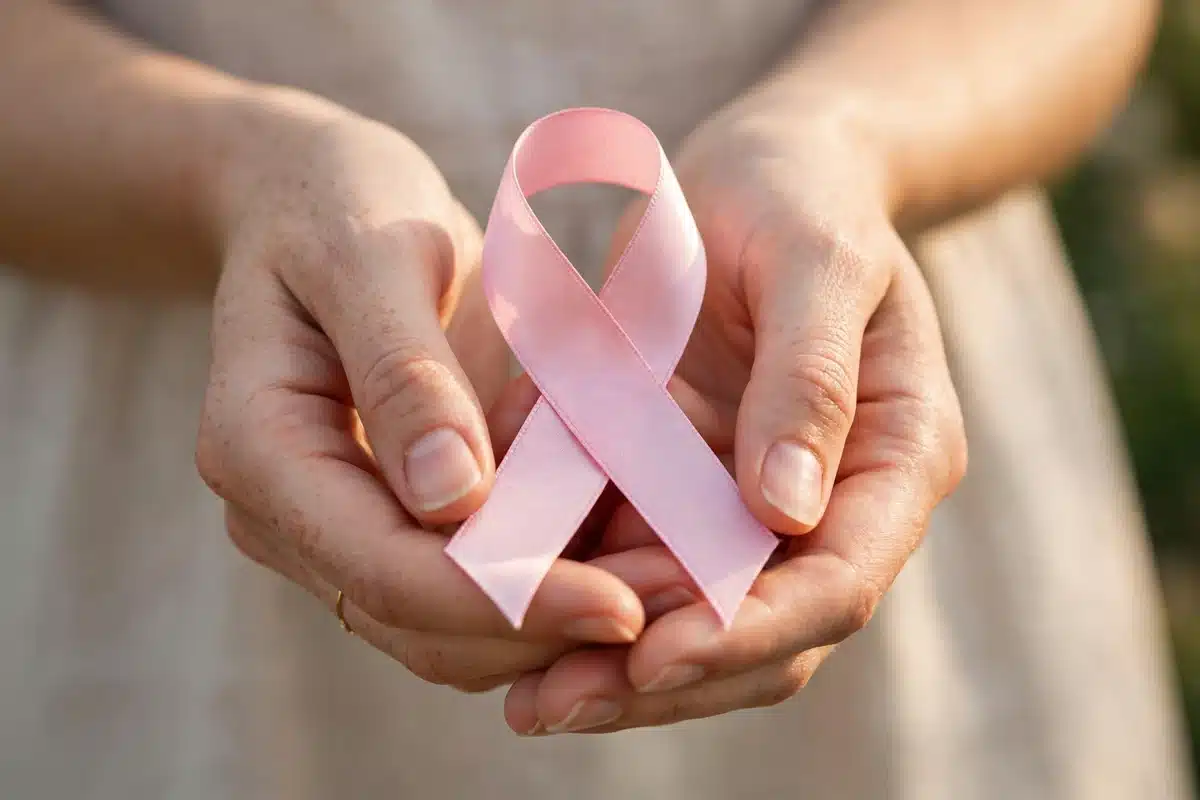
The pink ribbon is the recognised symbol of breast cancer awareness: a small loop of pink ribbon worn to show support for everyone affected by the disease — people in treatment, survivors, families, and those remembering someone they have lost. It also carries a practical message underneath the sentiment: know the signs, keep up with screening, and look after one another. This article explains what the ribbon means, how it became so familiar, and how to make wearing pink count for something real.
Key Takeaways
- The pink ribbon stands for awareness of breast cancer and support for the people and families it touches, including remembrance of those who have died.
- It grew out of a wider tradition of awareness ribbons and spread widely during the 1990s, helped by October’s awareness month, community events, and pink products.
- Wearing the ribbon starts conversations — but awareness only helps when it leads somewhere: knowing the signs, keeping screening appointments, and supporting people directly.
- Not every pink product raises money for the cause. Before buying, check whether a purchase actually triggers a donation, how much, and to which organisation.
- The most meaningful pink actions are practical: learn the signs of breast cancer, remind a friend about screening, and give directly to a charity you have checked.
What the Pink Ribbon Means
Symbols work because they compress a complicated feeling into something you can pin on a coat. The pink ribbon carries several meanings at once, and different wearers emphasise different ones. For many it is solidarity: a visible “I am with you” to a friend, a colleague, a mother, a partner going through treatment. For survivors it can be a mark of what they have come through. For families who have lost someone, it is remembrance. And for the wider public it is a prompt — a nudge, in the middle of an ordinary day, to pay attention to a disease that touches many lives.
The colour is part of the message. Pink is widely associated with care, compassion, and femininity, and its softness is deliberate: the ribbon presents a frightening disease in a colour that invites people toward the subject rather than away from it. You do not need any personal connection to wear one — the ribbon is an open symbol, and wearing it simply says that the cause, and the people behind it, matter to you.
How the Ribbon Became the Symbol
Ribbons have a long history as public symbols — worn to remember, to show support, and to declare that a cause matters — and by the late twentieth century coloured ribbons had become a familiar language, with different colours adopted by different causes. Breast cancer advocates working in that tradition took up ribbon-wearing too; early versions circulated hand to hand at community level, passed out by volunteers at events alongside information about the disease.
The pink version is the one that caught on. During the 1990s it spread rapidly: ribbons were handed out at walks, runs, and community events, distributed through magazines and shop counters, and worn by growing numbers of people each October, which had become established as Breast Cancer Awareness Month. Pink products followed — clothing, cosmetics, household goods carrying the ribbon — until the small loop of satin became one of the most recognisable cause symbols in the world. Our pillar guide to breast cancer awareness and resources places the ribbon in the wider landscape of awareness work and trustworthy help.
What Wearing It Does — and Does Not Do
Wearing a ribbon does real, if modest, work. It starts conversations that would not otherwise happen — about a screening appointment someone keeps postponing, about how a colleague in treatment is actually doing. It signals to people in the middle of treatment that they are not invisible. And it normalises talking about breasts and breast health, which quietly matters: people who can say the words can also act on the early signs of breast cancer and seek help sooner.
What the ribbon cannot do is substitute for the actions it points to. A ribbon does not detect cancer; knowing your own normal — the point of breast self-awareness — and keeping screening appointments does that work. A ribbon does not fund research by being worn; donations do. The honest way to see it is as the first step of a short staircase: awareness, then understanding, then action. The symbol’s value is measured by how often people climb the rest.
Pink Products: Giving With Your Eyes Open
Every October, shelves fill with pink versions of everyday products. Some of these raise genuine money for breast cancer organisations; others contribute little, or nothing, beyond the colour. Critics use the word “pinkwashing” for marketing that borrows the ribbon’s goodwill while giving very little back. You do not need to be cynical about pink products — you just need to read them the way you would read any other claim:
- Does buying this actually trigger a donation? Some products display the ribbon as a general awareness gesture, with no donation attached at all.
- How much, and to whom? Reputable campaigns say plainly what portion goes to which named organisation. Vague phrases like “supports breast cancer charities” deserve a raised eyebrow.
- Is there a cap? Some campaigns donate only up to a fixed total, which may already have been reached before you buy.
- Could you give directly instead? If your main aim is to fund the work, a direct donation to an organisation you have checked will usually put more of your money to work than the fraction from a purchase.
Whichever route you choose, check the organisation on its own official website before giving — confirm what it does, and that the campaign naming it is genuine. The American Cancer Society’s site, cancer.org, is one reliable place to learn the signs and screening basics that awareness is meant to spread.

What to Do Next
- Learn the signs worth acting on, and what is normal for you — awareness starts with your own body, not with merchandise.
- Keep your own screening on track, and gently remind one friend or family member about theirs; our plain-language guide to what happens during a mammogram removes much of the mystery. General information about breast cancer risk factors is a good next read.
- Wear the ribbon with a purpose: be ready, if someone asks, to share one useful thing — a sign to watch for, or the value of keeping a screening appointment.
- Before buying a pink product, run the checks above; if the donation is thin or vague, give directly to a checked organisation instead.
- Support someone you actually know — a meal, a lift, a message that asks for no reply. Awareness is national; kindness is local, and it is the part people remember.
Frequently Asked Questions
What exactly does the pink ribbon stand for?
Awareness of breast cancer, and support for everyone affected by it — people in treatment, survivors, their families, and those grieving someone who died. It also stands for the practical hopes attached to awareness: that more people will know the signs, keep up with screening, and be diagnosed earlier, when treatment has the best chance of helping. Wearers emphasise different parts of that; all of them are legitimate readings of the same small symbol.
Do I need a personal connection to breast cancer to wear one?
No. The ribbon is an open symbol of support, not a badge of experience. Many wearers have no direct connection at all — they wear it for colleagues, neighbours, future patients, or simply because the cause matters to them. Nobody is policing who may wear pink; the only expectation is that the wearing is genuine.
Does buying pink products actually help?
Sometimes, and it depends entirely on the product. Some campaigns donate a clear amount to a named organisation; some donate a very small fraction or nothing at all. Check the packaging or the campaign page for three things — whether a purchase triggers a donation, how much it is, and whether a cap has already been reached — and verify the organisation on its official website. If the answers are vague, a direct donation does the job better.
Why is everything pink in October?
October is Breast Cancer Awareness Month, the annual focus point for awareness work. Charities, health organisations, sports teams, and retailers concentrate their campaigns into that month, which is why the ribbon and the colour pink become suddenly unavoidable. The concentration is deliberate: a shared moment of attention is easier to build than year-round noise — though the signs, screening, and support the month promotes matter in every month of the year.
What is the most useful thing I can do during Awareness Month?
Turn awareness into one concrete action. Know the signs and your own normal; keep your own screening appointment or make the one you have been postponing; remind someone you love about theirs. If you give money, give it directly to an organisation you have checked. And if you know someone in treatment, offer something specific — a meal, a lift, company at an appointment. Those are the acts the ribbon exists to prompt.
Related Articles
- Breast Cancer Awareness and Resources: The Complete Guide
- Early Signs of Breast Cancer Every Woman Should Know
- Breast Self-Awareness: Knowing Your Normal
- What Happens During a Mammogram
- Breast Cancer Risk Factors You Should Know
This article is for general educational purposes only and is not medical, legal, or financial advice. It does not replace professional care. Talk to your doctor or care team about your own situation. If you think you may have a medical emergency, call 911.