
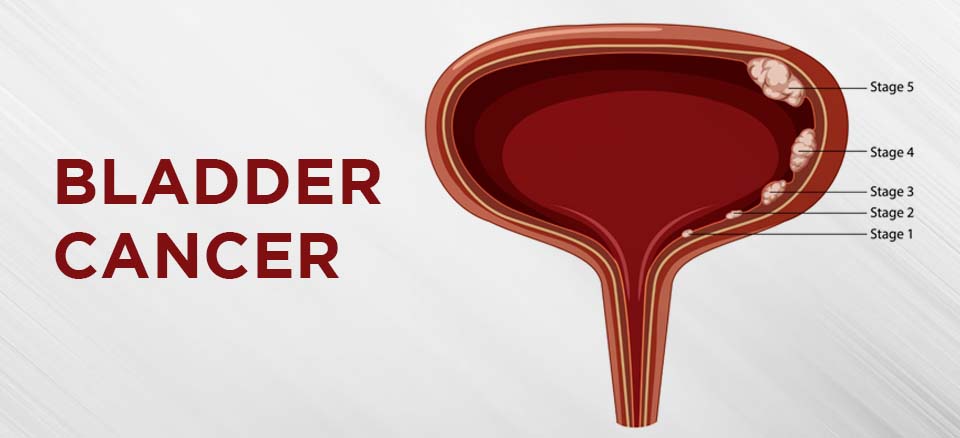
Bladder cancer is one of the most common cancers affecting the urinary system. It develops when abnormal cells in the bladder begin to grow uncontrollably and form a tumor.
Early detection plays an important role in successful treatment outcomes. Understanding the symptoms, causes, and treatment options can help patients seek medical attention sooner and improve their prognosis.
What Is Bladder Cancer?
Bladder cancer occurs when cells in the bladder grow abnormally and multiply without control.
The bladder is a hollow organ located in the lower abdomen that stores urine produced by the kidneys before it leaves the body through the urethra.
Most bladder cancers begin in the cells lining the inside of the bladder, known as urothelial cells.
Types of Bladder Cancer
Several types of bladder cancer exist, but some are much more common than others.
1) Urothelial Carcinoma (Transitional Cell Carcinoma)
This is the most common type of bladder cancer and accounts for the majority of cases.
It develops in the urothelial cells that line the bladder and urinary tract.
2) Squamous Cell Carcinoma
This rare type of bladder cancer may develop after long-term irritation, infections, or chronic inflammation of the bladder.
3) Adenocarcinoma
Adenocarcinoma begins in glandular cells that produce mucus in the bladder lining.
4) Small Cell Carcinoma
This is a rare and aggressive form of bladder cancer that develops in neuroendocrine cells.
Non-Muscle-Invasive vs Muscle-Invasive Bladder Cancer
Non-Muscle-Invasive Bladder Cancer
This type of cancer remains confined to the inner layers of the bladder and has not reached the bladder muscle.
Most bladder cancers are diagnosed at this stage.
Muscle-Invasive Bladder Cancer
Muscle-invasive bladder cancer has spread deeper into the bladder wall and may spread to nearby lymph nodes or distant organs.
This form usually requires more aggressive treatment.
Symptoms of Bladder Cancer
The symptoms of bladder cancer can vary and may resemble less serious urinary conditions.
Common symptoms include:
- Blood in the urine (hematuria)
- Pain or burning during urination
- Frequent urination
- Difficulty urinating
- Urgent need to urinate
- Lower back pain
- Pelvic pain
Blood in the urine is often the first and most common warning sign and should never be ignored.
Risk Factors for Bladder Cancer
Several factors may increase the risk of developing bladder cancer.
1) Smoking
Smoking is the leading risk factor for bladder cancer. Harmful chemicals from tobacco enter the bloodstream and are filtered by the kidneys before collecting in the bladder.
2) Increasing Age
Bladder cancer is more common in older adults, particularly those over 55 years of age.
3) Occupational Exposure
Long-term exposure to certain industrial chemicals may increase risk, particularly among workers in:
- Textile industries
- Rubber manufacturing
- Paint industries
- Chemical manufacturing
4) Previous Radiation Therapy
Radiation treatment to the pelvic area may increase the likelihood of developing bladder cancer later in life.
5) Chronic Bladder Irritation
Repeated urinary infections, bladder stones, or long-term catheter use may contribute to chronic irritation and increase risk.
6) Family History and Genetics
A family history of bladder cancer may slightly increase the risk of developing the disease.
How Is Bladder Cancer Diagnosed?
Doctors use several tests to diagnose bladder cancer.
1) Physical Examination and Medical History
Your doctor will review symptoms and medical history.
2) Urine Tests
Urine samples may be checked for blood, abnormal cells, or signs of infection.
3) Cystoscopy
A thin flexible tube with a camera is inserted into the bladder to examine abnormal areas.
4) Imaging Tests
Imaging tests may include:
- CT scan
- MRI scan
- Ultrasound
- PET scan
5) Biopsy
A tissue sample is taken and examined under a microscope to confirm the diagnosis.
Treatment Options for Bladder Cancer
Treatment depends on the type, stage, and overall health of the patient.
1) Surgery
Surgery may involve removing the tumor or, in advanced cases, removing part or all of the bladder.
2) Intravesical Therapy
Medication is delivered directly into the bladder to destroy cancer cells.
3) Chemotherapy
Chemotherapy may be used before or after surgery or to treat advanced disease.
4) Radiation Therapy
Radiation uses high-energy rays to destroy cancer cells.
5) Immunotherapy
Immunotherapy helps the body’s immune system recognize and attack cancer cells.
6) Targeted Therapy
Certain patients may benefit from medications that target specific cancer-related proteins or genetic changes.
Bladder Cancer Survival Rate
Survival rates depend on the stage at diagnosis and how far the cancer has spread.
Patients diagnosed with localized bladder cancer generally have significantly better outcomes than those diagnosed with metastatic disease.
Early diagnosis and treatment remain the most important factors affecting survival.
Can Bladder Cancer Be Prevented?
Although not all cases can be prevented, you may reduce your risk by:
- Avoiding tobacco products
- Staying hydrated
- Following workplace safety precautions
- Maintaining a healthy lifestyle
- Seeking treatment for chronic urinary problems
When Should You See a Doctor?
You should consult a healthcare professional if you experience:
- Blood in the urine
- Persistent urinary symptoms
- Pelvic pain
- Frequent or painful urination
Early medical evaluation can lead to earlier diagnosis and more effective treatment.
Final Thoughts
Bladder cancer is a serious but often treatable disease, especially when detected early.
Recognizing symptoms such as blood in the urine and seeking prompt medical attention can improve treatment options and long-term outcomes.
If you notice persistent urinary symptoms or have risk factors such as smoking or occupational chemical exposure, speak with your healthcare provider about further evaluation.
