
A thoughtfully packed chemo bag will not change your treatment, but it can make a long infusion day noticeably more comfortable. Most people pack for four things: warmth, rest, simple food and drink, and something gentle to pass the time. This checklist gathers the items patients most often find useful, so you can pack the night before and walk in feeling prepared rather than rushed.
Key Takeaways
- Pack the night before, and keep the bag by the door — your future self, on an early treatment morning, will be grateful.
- Comfort comes first: treatment rooms can feel cool, so layers, warm socks, and a soft blanket earn their place.
- Check your treatment center’s food and drink policies first, then pack a water bottle and simple snacks you already know you enjoy.
- Bring entertainment that does not depend on Wi-Fi — a book, downloaded shows, or music — plus a long charging cable.
- Wear comfortable clothes with easy access to your chest or arm, and arrange a ride home, especially for the first treatments.
Why a Packed Bag Helps
Infusion appointments can last a while, and the shape of the day is hard to predict the first time: checks and blood tests, a wait while medicines are prepared, then the infusion itself. Our overview of chemotherapy for breast cancer walks through how the day usually unfolds. A packed bag turns that waiting time into rest time. It also gives you a small sense of control on a day when much is out of your hands — your blanket, your book, your snacks, chosen by you. Many people settle on a permanent chemo bag that stays packed between cycles, topped up after each visit, so the routine becomes automatic. Think of the list below as a menu to choose from, not a set of rules; after your first session you will know which items matter to you and which can stay home.
Comfort and Warmth
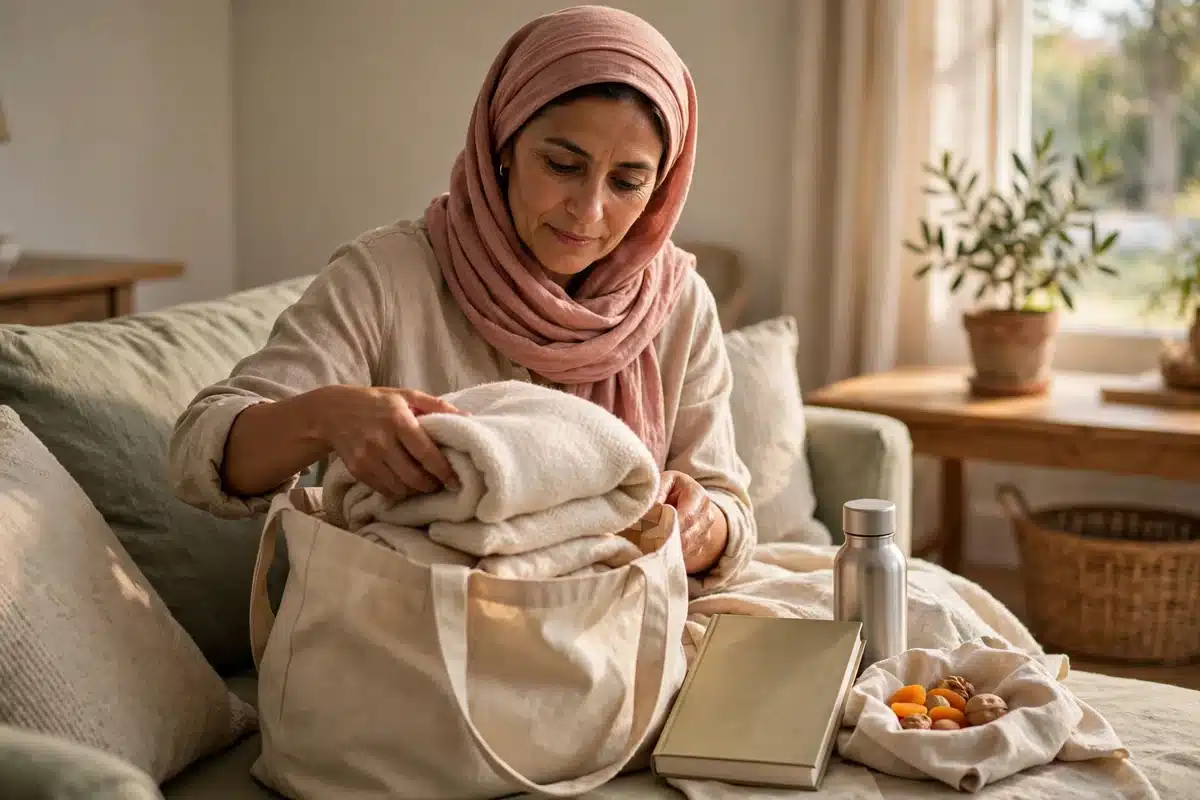
- A soft blanket or large wrap. Treatment rooms are often kept cool, and many people feel chilly during infusions. Centers usually provide blankets, but your own is softer and smells like home.
- Warm socks or slippers. Feet get cold when you sit still for hours. Choose a pair with non-slip soles if you will be walking to the bathroom.
- A small pillow or cushion. Useful behind your back or under your arm, especially if you have had surgery and some positions are still tender.
- Lip balm and hand cream. Air-conditioned rooms dry skin and lips quickly. Choose unscented versions, out of consideration for others nearby (see the note on scents below).
- Layers you can add or remove. A cardigan or zip-up hoodie over a comfortable top lets you adjust without disturbing the infusion line.
Food and Drink
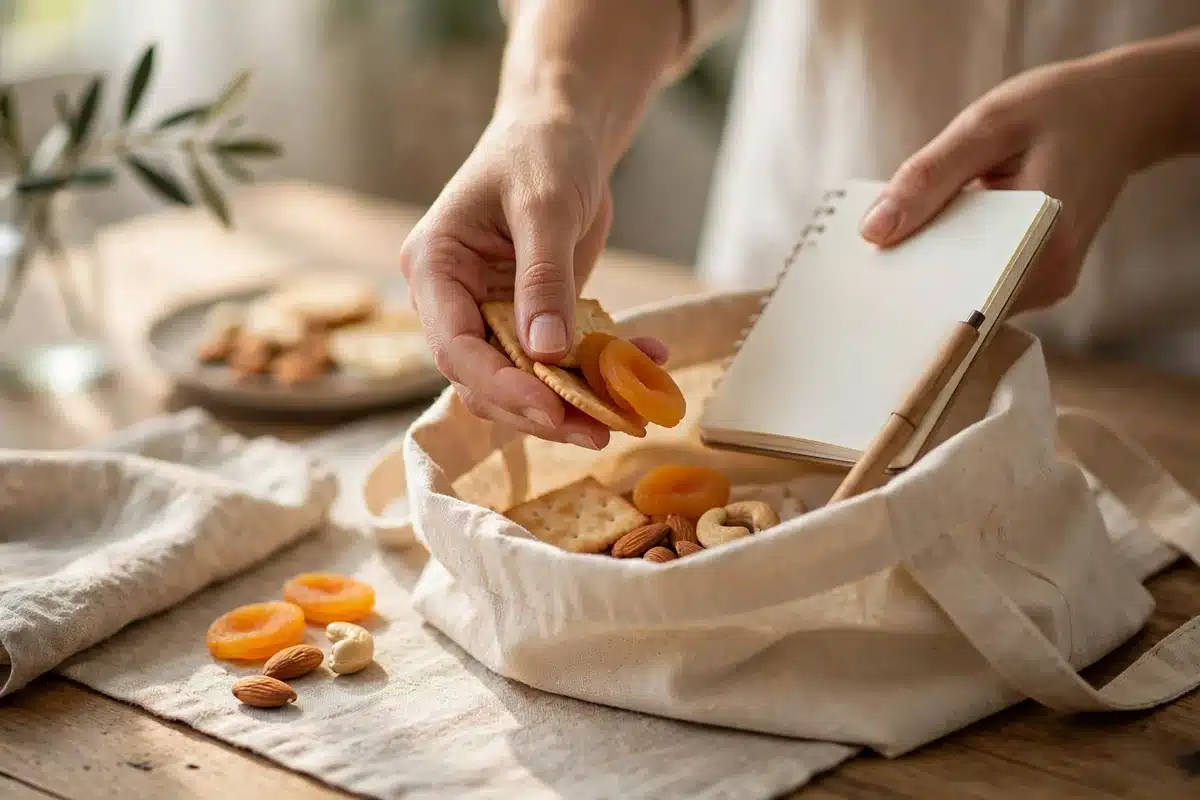
Policies differ between centers, so check yours before the first visit: most allow patients to eat and drink during infusions, but confirm. Then pack gently. A refillable water bottle is the single most useful item — staying hydrated helps you feel better through the day, unless your team has advised you differently. For food, bring simple things you already enjoy and tolerate well: crackers, fruit, a sandwich, plain biscuits. Treatment can change how foods taste, and many people find that mildly flavoured, familiar items go down easiest; our guide to managing chemotherapy side effects has more on eating during treatment. Hard candies or mints are a small comfort many people like when their mouth tastes strange. If a companion is coming, pack something for them too — they will be sitting just as long.
Passing the Time
- A book, magazine, or puzzle book — something absorbing but easy to put down when you get sleepy.
- A tablet or phone with shows, podcasts, or music downloaded in advance. Do not rely on the center’s Wi-Fi; downloads always work.
- Headphones or earbuds. Essential, both for your viewing and as a courtesy to the people in neighbouring chairs.
- A long charging cable and a plug or power bank. Outlets are rarely where your chair is, and a long cable solves it.
- Something for your hands, if you enjoy it: knitting, a sketchbook, a journal. Many people find a gentle project steadies the mind.
Plenty of people simply rest or nap through much of the infusion, and that is a perfectly good use of the time. Entertainment is there if you want it, not an obligation.
Paperwork and Practical Items
- Your insurance card and photo ID, even if the center already has copies — check-in desks ask often.
- A list of your current medicines, including doses and any supplements, in case the team asks.
- A small notebook and pen. For questions that occur to you, instructions the nurse gives, and how you felt afterward — useful notes before the next cycle.
- Your appointment card or schedule, and the treatment center’s phone number saved in your phone.
- Tissues, wet wipes, and a spare face covering if your center asks for one. Treatment can lower your resistance to infection at times, so these small things help.
- A small amount of money or a card for parking, a coffee, or anything you forgot.
What to Wear on the Day
Comfort is the whole brief, with one practical addition: access. If you have a port in your chest, a top with a wide neckline, buttons, or a zip front lets the nurse reach it without fuss. If your infusion goes into your arm, short or loose sleeves that roll up easily are best. Soft waistbands beat tight ones on a long sitting day, and slip-on shoes are easier than laces if you feel drowsy afterward. Leave jewellery minimal — it is one less thing to keep track of. Our guide to living through breast cancer treatment has more small, practical ideas of this kind.
| Category | Pack | Why it helps |
|---|---|---|
| Warmth | Blanket, warm socks, cardigan | Treatment rooms feel cool, and you sit still for hours |
| Food and drink | Water bottle, simple snacks, mints | Steady energy and comfort through a long appointment |
| Entertainment | Book, downloaded shows, headphones, charger | Makes waiting time feel shorter, without depending on Wi-Fi |
| Practical | Insurance card, ID, medicine list, notebook and pen | Check-in and questions go smoothly |
| Clothing | Soft layers, easy-access top, slip-on shoes | Comfort, and simple access for the infusion line |
The Ride Home, and What to Leave Behind
Plan the journey home as part of the bag. Some of the medicines given around chemotherapy can make you drowsy, and many centers advise having someone drive you, especially for the first treatments — ask your team what they recommend for you. A companion also carries the bag, which matters more than you expect when you feel wiped out. Sunglasses for the ride and a snack for the car are small kindnesses to your future self.
What should stay home? Valuables you would hate to lose, anything irreplaceable, and strongly scented products. Other patients nearby may be feeling nauseated, and a fragrance that is pleasant to you can be genuinely hard for someone mid-treatment. It is a small courtesy that everyone in the infusion room benefits from, and most people are glad to be told about it in advance rather than after the fact.
What to Do Next
- Choose one sturdy bag or tote that will be your regular chemo bag.
- Pack the comfort basics tonight: blanket, socks, layers, lip balm.
- Add entertainment and a long charging cable; download something to watch.
- Put your insurance card, ID, and medicine list in an inside pocket.
- Check your center’s food and drink policy, then add a water bottle and simple snacks.
- Confirm your ride home, set the bag by the door, and after your first session, adjust the list to match what you actually used.
Frequently Asked Questions
How long will I be at the treatment center?
It varies by treatment plan. An appointment can involve checks, blood tests, waiting for medicines to be prepared, and the infusion itself, which together can take a few hours or much of the day. Your team can give you a rough estimate for your specific plan — ask at your first appointment, and pack for the longer end of the range until you know your rhythm.
Can I eat and drink during my infusion?
At many centers, yes, if your team has not told you otherwise. Some treatments or tests have their own instructions, so confirm at your first visit. Plain, familiar foods and steady sips of water are the usual pattern; avoid anything with a strong smell, for the sake of your neighbours.
Can someone stay with me during treatment?
Policies vary. Many centers welcome one companion, while others limit visitors at busy times or during periods when infection control is tighter. Ask your center before the day, and if a companion cannot stay in the room, arrange for them to be nearby and reachable, and to be there for the ride home.
What if I forget something important?
Little is truly essential beyond your ID, insurance card, and yourself. Treatment centers are used to first-day nerves and can usually provide blankets, water, and help with anything administrative. Write what you missed in your notebook, adjust the bag when you get home, and be kind to yourself — the checklist gets easier every cycle.
Should I bring my regular medicines with me?
Bring an up-to-date list of everything you take, including doses. Whether to take your regular medicines on a treatment day is a question for your team — ask in advance rather than guessing, especially for medicines taken on a strict schedule. If the team asks you to bring any medicine with you, it will be on their instruction.
Related Articles
- Living Through Breast Cancer Treatment: A Practical Day-to-Day Guide
- Chemotherapy for Breast Cancer: What to Expect
- Managing Chemotherapy Side Effects
- Fatigue During Treatment: Gentle Ways to Cope
This article is for general educational purposes only and is not medical, legal, or financial advice. It does not replace professional care. Talk to your doctor or care team about your own situation. If you think you may have a medical emergency, call 911.