
A first visit to a cancer center is mostly a conversation, not a procedure: you check in, meet members of your care team, talk through your diagnosis and results so far, and leave with a clearer sense of what happens next. Little is usually done to you on the day — no treatment decisions need to be made on the spot, and you do not need to arrive with the right questions memorised. Knowing the general shape of the visit beforehand makes it far less daunting, so this guide walks through it step by step.
Key Takeaways
- A first visit is an information-gathering and planning appointment: introductions, a review of your results, a physical examination, and a discussion of next steps — rarely treatment itself.
- Who you meet varies. It might be one specialist first, or several members of a team across the visit or across the first few appointments.
- Bring your list of current medicines, any results you hold, your insurance information, and a short list of questions. A companion is welcome at most centers and genuinely helps.
- You will not be asked to decide everything on day one. A plan often takes shape over the first visits, once the team has reviewed everything together.
- Leaving with three things — the name of your main contact, the next step, and how results will reach you — means the visit has done its job.
Before You Go: What to Bring
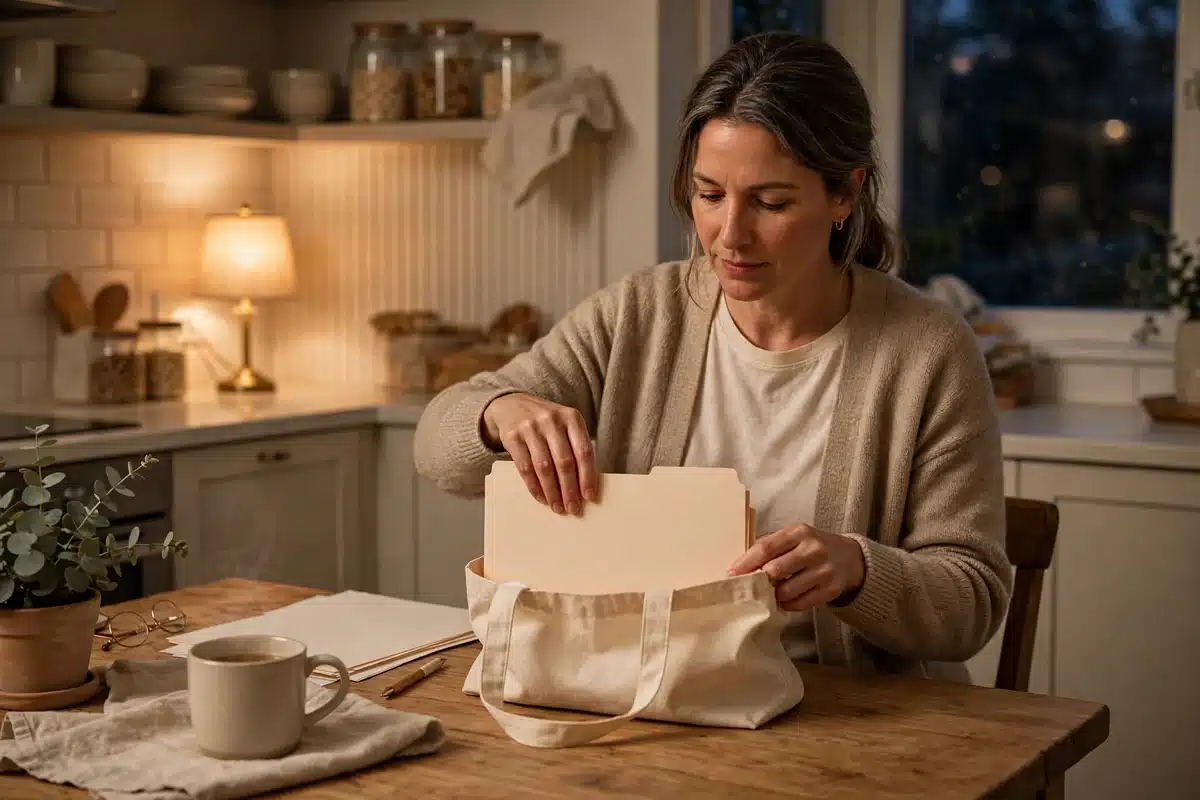
Preparation for a first visit is mostly gathering rather than studying. Centers usually receive your referral, results, and imaging from the doctor or hospital that diagnosed you — but records occasionally travel slowly, so bringing copies of anything you hold yourself (letters, pathology or scan results) can save real time. Beyond that, a short kit covers most of what the day asks of you:
- A list of everything you currently take — prescribed medicines, over-the-counter products, vitamins, and supplements — ideally with doses, or simply bring the boxes.
- Your insurance information and any authorisation paperwork the center asked for when booking.
- A note of your other health conditions and past operations, as the team will ask and it is easy to blank under stress.
- Your questions, written down, plus a notebook or phone to capture answers. You will be given a lot of information; nobody remembers all of it.
- A companion, if you would like one. Most centers welcome a partner, relative, or friend into consultations. A second pair of ears — and someone to compare notes with afterwards — is worth a great deal on day one.

Arriving and Checking In
Plan to arrive a little early: first visits usually involve registration, confirming your details and insurance, and sometimes a set of forms about your health history. Large centers can feel overwhelming in scale, so give yourself time to find the right entrance and department without a rush — signage, information desks, and volunteers exist for exactly this, and asking for directions is the most normal thing in the building.
You may then meet a nurse or other team member before the specialist, for routine observations such as weight, blood pressure, and a run-through of your medicines and symptoms. None of this is a test you can fail. It is the center assembling the basic facts of your case so that the consultation itself can concentrate on what matters. Our pillar guide to navigating breast cancer care sets this first visit in the context of the whole system you are entering.
The Consultation Itself
The heart of the visit is a conversation with a specialist — often a surgeon or an oncologist, depending on how your referral was routed. The usual shape of it:
- Your story so far. How the cancer was found, what tests you have had, and what you have been told. The doctor is checking the center’s picture against your own understanding — speak up if anything sounds different from what you heard.
- A review of results. The team will go through your pathology (the laboratory study of the tissue sample) and imaging, and explain what the findings mean in plain terms if you ask — and you should ask.
- A physical examination. Usually an examination of the breasts and the lymph nodes in the armpits and neck. It is brief, it is routine, and a chaperone can be present if you would like one.
- The outline of a plan. The doctor may describe the direction of treatment, any further tests needed first, and roughly how decisions will be sequenced. A final plan often is not fixed at this visit — cases are commonly discussed by the full team before treatment is recommended, as our guide to your breast cancer care team and who does what explains.
- Your questions. There is space at the end for the list you brought. Use it — no question about your own care is too small for this appointment.
If further tests are needed before a plan can be made, that is not a delay or a bad sign; it is the team refusing to plan on incomplete information. You may also be offered information about support services, or about research studies the center takes part in — being offered a study is an invitation, never an obligation.
Who You May Meet
One of the surprises of a first visit is how many roles exist. You may not meet all of these on day one, and meeting them spread across the first few visits is equally normal:
| Role | What they do |
|---|---|
| Surgeon | Specialist in breast operations; often a first contact when surgery is part of the picture |
| Medical oncologist | Specialist in drug treatments such as chemotherapy and hormone therapy |
| Radiation oncologist | Specialist in radiation treatment, if it becomes part of your plan |
| Specialist nurse | Your practical guide and often your main point of contact — questions, coordination, support |
| Radiologist and pathologist | Specialists who interpret scans and tissue samples; you may never meet them, but their reports shape your plan |
| Support roles | Financial counselors, social workers, dietitians, and administrative staff who help with the practical side of care |
Centers differ in size, setting, and organisation — an academic center and a community center will feel different in scale and structure, as our comparison of academic vs community cancer centers sets out neutrally — but the core roles and the purpose of a first visit are the same everywhere. What matters is not the type of building but that you leave knowing your team, your next step, and how to reach them.
Leaving: What You Should Know By the End
Before you walk out, check that you can answer five things. If you cannot, ask — at the desk, or by phone from home; no one expects you to have absorbed everything in one sitting.
- Who is my main contact, and what is their number?
- What is the next step — another appointment, a test, or a team discussion — and roughly when?
- How will I receive results and appointments: letter, phone call, or an online portal?
- Are there symptoms I should report between now and the next step, and to whom?
- What happens if I think of a question tomorrow? (There is always a route — note it while you are there.)
It is completely normal to get home and find the visit has blurred. That is what the notebook, your companion’s memory, and the follow-up call are for. The existing guide to questions to ask your oncologist at your first visit is worth reading alongside this one the night before, and our article on how to choose a cancer center covers the related questions if your care location is not yet settled.
Questions to Ask Your Doctor
- Can you explain my diagnosis in plain words — what type of breast cancer it is, and what that means for the plan?
- What further tests, if any, do I need before treatment can be decided?
- Will my case be discussed by the full team, and when will I hear what was recommended?
- Who is my main point of contact between appointments, and how do I reach them?
- Is there anything I should do — or avoid doing — while the plan is being made?
Frequently Asked Questions
Will I start treatment at my first visit?
Almost certainly not — and that is a good sign, not a delay. A first visit gathers information: your history, your results, an examination, and the start of a plan. Treatment is recommended after the team has reviewed everything, sometimes after further tests and a team discussion. Leaving without treatment started is the normal experience for nearly everyone.
What if I forget everything I meant to ask?
Everyone does, which is why writing questions down matters more than remembering them. Bring the list, hand it over if you need to — “I wrote these down so I wouldn’t forget” is said in these rooms every day — and note the answers as you go. Anything that surfaces later can go to your main contact by phone or message; the first visit opens the conversation rather than closing it.
Can I bring someone with me?
Usually yes, and it is encouraged by most centers: a partner, relative, or friend can listen, take notes, ask the question you meant to ask, and simply be company on a hard day. Check the center’s current policy when you book, as arrangements occasionally vary, and if you would prefer to attend alone that is equally your choice.
What happens if my results or records have not arrived at the center?
It happens, and it is fixable. The visit will usually still go ahead — the team can take your history, examine you, and explain the shape of what comes next — while staff chase the missing material. Bringing your own copies of letters and results, if you have them, is the best insurance against this. Nothing about your care is harmed by a paperwork lag, however frustrating it feels.
Is it acceptable to seek a second opinion after my first visit?
Yes, completely. Second opinions are a standard, accepted part of cancer care, and good teams do not take them personally — many will help arrange the sharing of your records. Our guide to second opinions for breast cancer explains when and how to ask. If anything about your first visit left you uncertain, a second perspective is a reasonable step, not a discourtesy.
Related Articles
- Navigating Breast Cancer Care: The Complete Guide
- Questions to Ask Your Oncologist at Your First Visit
- Your Breast Cancer Care Team: Who Does What
- Academic Medical Centers vs Community Cancer Centers: What Is the Difference?
- How to Choose a Cancer Center: Factors Worth Weighing
This article is for general educational purposes only and is not medical, legal, or financial advice. It does not replace professional care. Talk to your doctor or care team about your own situation. If you think you may have a medical emergency, call 911.