After breast cancer treatment ends, hair, skin, and nails often begin a gradual recovery — but the pattern and pace vary from person to person. Hair regrowth after chemotherapy commonly starts with soft, fine new growth that may differ in texture or color from the old hair; dry or sensitive skin usually calms over time; and nails that became ridged or brittle typically improve as new nail grows in. Your own experience may differ, so treat this as orientation rather than prediction, and bring any concerns to your own doctor or care team.
Key Takeaways
- Hair, skin, and nails often recover gradually after treatment ends, but the pace and pattern differ for every person.
- Hair regrowth after chemotherapy typically starts with soft, fine new growth; texture or color may differ at first.
- Skin that felt dry, thin, or sensitive during treatment usually calms with gentle, consistent care and sun protection.
- Nails that became ridged, brittle, or discolored generally improve over time as new nail grows in.
- Kind, simple self-care — moisture, mild products, sun protection — supports recovery better than aggressive treatments or special products.
- Report anything unusual to your care team: rashes, wounds that do not heal, signs of infection around nails, or changes that worry you.
Why Treatment Affects Hair, Skin, and Nails
Hair, skin, and nails share something in common: their cells divide and renew relatively quickly. Many cancer treatments, particularly chemotherapy, are designed to target fast-dividing cells. That is how the treatments reach the cancer, but fast-growing healthy cells can be affected along the way, too. Radiation therapy works differently — it is aimed at a specific area — so its effects on skin tend to be local, limited to the treated area. Targeted and hormonal therapies can affect hair, skin, or nails in their own ways, so two people with the same diagnosis can have quite different experiences.
These changes are side effects of treatments that were doing important work. They are not a sign that treatment failed. Recovery is usually slow and steady rather than overnight — and it is rarely a straight line. Uneven patches and slow spells are part of the picture for many people.
What Hair Recovery Often Looks Like
Hair regrowth after chemotherapy often begins with a surprise: the first new growth is usually soft, fine, and lighter in color than the hair you lost. Many people describe it as a light fuzz. It may feel like a completely different texture — curlier, straighter, or finer than your old hair, a change stylists sometimes call “chemo curl.” These early changes are common, and the texture often shifts again as the hair gets longer. Color can differ, too — a shade darker, lighter, or grayer. Whether the original color returns depends on the person, and no product can force it.
What helps hair recovery along
- Handle new growth gently. Avoid harsh chemical treatments, very hot styling tools, and tight hairstyles while hair is young and fragile.
- Wash less often with a mild shampoo, and condition lightly. New hair tends to be dry at first.
- Protect the scalp from the sun until hair is dense enough to cover it. A hat or head covering works well outdoors.
- If you wore a wig, headscarf, or cap during treatment, you can keep using it for as long as it helps you feel like yourself. There is no deadline for transitioning to your natural hair.
- Some people enjoy visiting a stylist who has experience with short or regrowing hair once growth is long enough to shape. This is entirely optional and cosmetic.
Hair and other treatments
If you are still on a therapy that can thin hair — such as certain hormonal therapies taken for years after active treatment — your experience may differ from someone who finished all treatment at once. Talk with your oncology team about what to expect from the medicines you are currently taking, since hair can continue to thin while some medications continue.
What Skin Recovery Often Looks Like
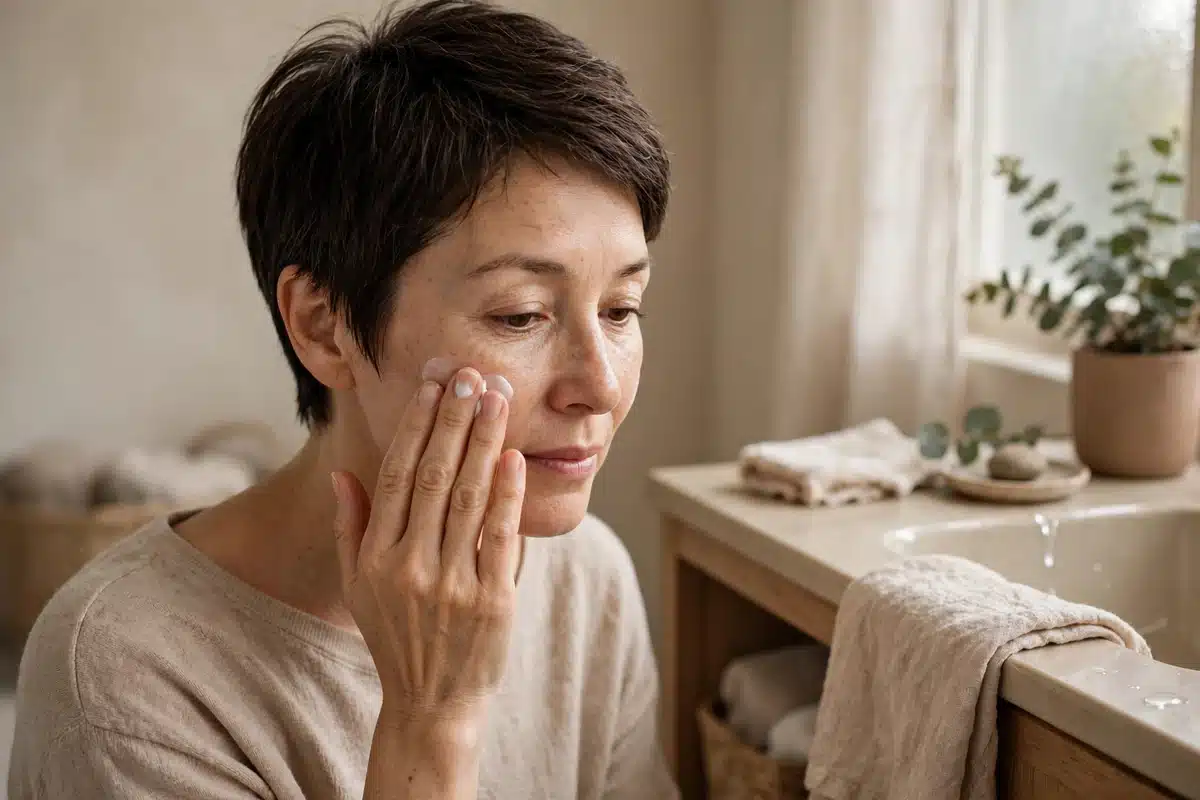
Skin is the body’s largest organ, and it often takes a beating during treatment. Chemotherapy can make skin dry, itchy, more sensitive than usual, or prone to rashes. Radiation often leaves the treated area looking and feeling like a sunburn — red, tender, and sometimes peeling — a reaction called radiation dermatitis (dermuh-TY-tus), which simply means inflamed skin caused by radiation.
After treatment ends, these effects generally ease gradually. Radiation-treated skin often continues to improve after the last session, though the area may stay more sensitive to the sun than other skin. Skin that became dry during chemotherapy usually becomes less dry as the body rebalances. Some people bounce back quickly, some take longer, and some notice lingering sensitivity — all within the range of normal.
Gentle skin habits that help
- Moisturize regularly with a plain, fragrance-free moisturizer, especially after bathing while skin is still slightly damp.
- Keep showers short and lukewarm rather than long and hot, which dries the skin further.
- Choose mild, fragrance-free cleansers and laundry products to reduce irritation.
- Protect healing skin from the sun: shade, clothing, hats, and broad-spectrum sunscreen on exposed skin are sensible habits for everyone, including survivors.
- Give scars time. If you had surgery, follow your surgeon’s guidance on scar care and be patient — scars remodel slowly.
What Nail Recovery Often Looks Like
Nails are easy to forget about until they change. During some chemotherapy treatments, nails can develop ridges, become brittle or flaky, darken, or lift slightly from the nail bed. For most people, these changes are temporary: as treatment ends, healthy nail grows in from the base and the damaged portion grows out and is trimmed away.
Because nails grow slowly, full improvement takes longer than you might expect — fingernails take months to replace themselves, and toenails longer still. In the meantime, gentle care makes a difference:
- Keep nails short, clean, and filed smooth so they are less likely to catch, crack, or lift.
- Moisturize the cuticles and nail bed with a plain cream or ointment, especially in cold or dry weather.
- Wear gloves for household chores involving water, soap, or chemicals, and wear shoes that fit well to protect toenails.
- Avoid aggressive manicuring or cutting cuticles, which can open the door to infection.
- Skip nail hardeners or acrylics until your nails have fully recovered, and check with your care team first if you are unsure.
Most nail changes fade on their own, but pain, swelling, redness, or signs of infection around a nail deserve a call to your care team rather than a wait-and-see approach.
Gentle Self-Care During Recovery
There is a tempting idea that recovery requires special products or expensive routines. It usually does not. The kindest approach is the simplest: keep skin moisturized, handle new hair gently, give nails time, protect everything from the sun, and rest well. No supplement, oil, or specialty product is proven to speed hair regrowth after chemotherapy, despite marketing claims you may see. Be skeptical of anything that promises fast results.
| Area | What recovery often looks like | A gentle response |
|---|---|---|
| Hair | Soft, fine early growth; texture or color may differ from before | Handle gently, avoid harsh chemicals and heat, protect scalp from sun |
| Skin | Gradually less dry and less sensitive; treated areas stay sun-sensitive longer | Moisturize daily, use mild products, protect from sun |
| Nails | Ridges and brittleness grow out as new healthy nail replaces the old | Keep short and smooth, moisturize cuticles, wear gloves for chores |
Beyond the physical side, give yourself room for feelings. Looking different after treatment can stir up grief, frustration, or impatience even when the medical news is good. Those feelings are valid, and many survivors find it helps to talk about them — with a counselor, a support group, or trusted people in their lives. For the bigger picture of life after treatment, our survivorship guide covers follow-up care and what to expect in this new phase.
Signs to Bring to Your Care Team
Most hair, skin, and nail changes after treatment are harmless and improve with time. Still, some signs are worth mentioning to your doctor or oncology nurse rather than riding out:
- A rash, blistering, or peeling that is spreading, painful, or not improving
- Skin wounds or cracks that do not seem to heal
- Redness, swelling, warmth, or pus around a nail, or a nail that is very painful
- New or changing moles, or any skin change in a radiation-treated area that concerns you
- Hair loss that begins or worsens well after treatment has ended, or bald patches that concern you
- Anything about your appearance changes that is causing you real distress — this is a valid reason to seek help, too
Your care team has seen all of this before, and they would rather hear about something small that turns out fine than miss something that needed attention.
Questions to Ask Your Doctor
Consider bringing some of these to your next appointment, and add your own:
- Given the specific treatments I received, what hair, skin, or nail changes should I still expect?
- Are any of the medicines I am still taking affecting my hair, skin, or nails?
- When would you want to hear from me about a skin or nail change between visits?
- Are there any products, ingredients, or salon treatments I should avoid while I recover?
- Can you refer me to a dermatologist if my skin or nail concerns are ongoing?
- If my hair is not growing back as I expected, what should we look into?
Frequently Asked Questions
Does everyone’s hair grow back after chemotherapy?
In most cases, hair regrowth after chemotherapy begins once the treatments that caused the loss have ended, and it continues over time. But everyone is different, and some people experience slower, thinner, or patchy regrowth, particularly while on certain ongoing medications. If your hair is not growing back as you expected, talk with your oncology team about your specific situation.
Will my hair look the same as it did before?
It may, or it may not — at least at first. Many people notice the regrown hair is a different color, texture, or curl pattern than their old hair. For some, these differences fade as the hair gets longer; for others, the new hair becomes the norm. There is no way to predict which pattern you will follow.
Are there products that make hair grow back faster?
There is no proven product that speeds hair regrowth after chemotherapy, and claims of fast results should be treated with skepticism. Gentle handling, moisture, and sun protection help the new growth stay healthy, but the pace of regrowth is set by your body. If a product makes strong claims, discuss it with your care team before spending money on it.
How can I care for sensitive skin after radiation?
Keep the treated area clean with mild soap and lukewarm water, moisturize gently, and protect it from the sun — radiated skin can stay sun-sensitive for a long time. Avoid scrubbing, hot water, and harsh products on that area. Your radiation team can give you guidance specific to the area that was treated.
Is it safe to color my hair once it grows back?
This is best discussed with your care team and, ideally, a stylist experienced with regrowing hair. Many survivors wait until their hair has some length and strength before coloring, and many prefer gentler options when they start. Your oncologist or dermatologist can advise based on your treatment history.
Should I worry about dark lines or ridges on my nails?
Ridges, lines, and discoloration of the nails are common after some chemotherapy treatments and usually grow out over time. They are generally not a cause for alarm. But if a dark line on a nail is new, changing, or only on one nail, it is worth mentioning to your doctor, who can take a look and reassure you or investigate further.
Related Articles
- Life After Breast Cancer: The Complete Survivorship and Follow-Up Guide
- Scalp Cooling and Cold Caps During Chemotherapy: How They Work
- The Emotional Side of Hair Loss: Grieving Your Hair During Chemotherapy
- Skin Care During Chemotherapy: A Gentle Routine for Dry Sensitive Skin
- Nail Changes During Chemotherapy: What to Expect and How to Care for Your Nails
- What Is a Survivorship Care Plan? What It Includes and How to Get Yours
This article is for general educational purposes only and is not medical, legal, or financial advice. It does not replace professional care. Talk to your doctor or care team about your own situation. If you think you may have a medical emergency, call 911.