
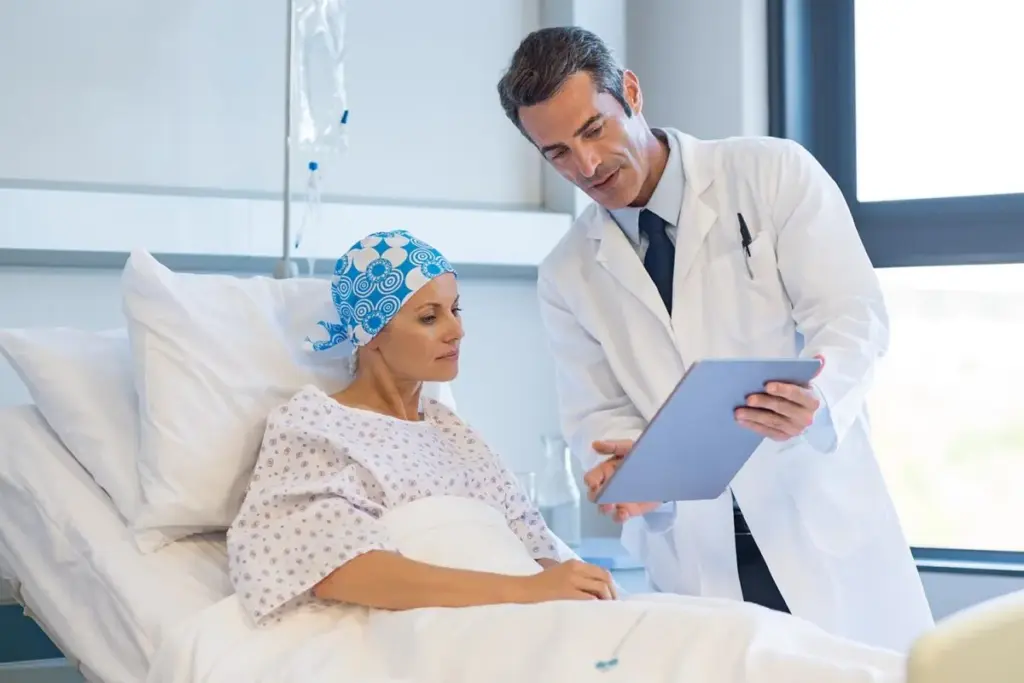
Cancer treatment can save lives, but it may also affect healthy cells and tissues in the body, leading to side effects. These side effects vary depending on the type of cancer, the treatment being used, and each person’s overall health.
Not everyone experiences the same side effects, and some patients may have only mild symptoms while others require additional support and care during treatment.
Understanding potential side effects can help patients and families prepare for treatment and seek medical advice when needed.
Why Does Cancer Treatment Cause Side Effects?
Cancer treatments work by targeting rapidly growing cancer cells. However, some healthy cells in the body also grow quickly, including those found in:
- Hair follicles
- Bone marrow
- Digestive tract
- Skin
- Mouth lining
- Reproductive organs
When these healthy cells are affected, side effects may occur.
Common Side Effects of Cancer Treatment
1) Fatigue
Cancer-related fatigue is one of the most common side effects experienced during treatment.
Patients often describe fatigue as:
- Extreme tiredness
- Lack of energy
- Weakness
- Difficulty concentrating
Unlike normal tiredness, cancer fatigue may not improve with rest.
2) Nausea and Vomiting
Chemotherapy and some targeted therapies may trigger nausea and vomiting.
Doctors often prescribe medications to reduce these symptoms and improve comfort during treatment.
3) Hair Loss (Alopecia)
Hair loss is a common side effect of some chemotherapy drugs.
Hair loss may affect:
- Scalp hair
- Eyebrows
- Eyelashes
- Body hair
Hair usually begins to regrow after treatment ends.
4) Anemia
Cancer treatment can reduce red blood cell production, leading to anemia.
Symptoms may include:
- Fatigue
- Shortness of breath
- Dizziness
- Pale skin
5) Infection Risk and Neutropenia
Some treatments reduce white blood cells, weakening the immune system and increasing the risk of infections.
Patients should seek medical attention immediately if they develop:
- Fever
- Chills
- Persistent cough
- Signs of infection
6) Bleeding and Bruising
Low platelet counts may increase the risk of:
- Easy bruising
- Nosebleeds
- Bleeding gums
- Prolonged bleeding from minor injuries
7) Digestive Problems
Cancer treatments may affect the digestive system and lead to:
- Constipation
- Diarrhea
- Bowel changes
- Abdominal discomfort
Maintaining hydration and following dietary recommendations can help manage these symptoms.
8) Mouth and Throat Problems
Some treatments can cause:
- Mouth sores
- Dry mouth
- Difficulty swallowing
- Changes in taste
Good oral hygiene and proper nutrition are important during treatment.
9) Appetite and Weight Changes
Many cancer patients experience:
- Loss of appetite
- Weight loss
- Weight gain
- Malnutrition
Nutritional support can play an important role in recovery and treatment tolerance.
10) Nerve Problems (Peripheral Neuropathy)
Certain chemotherapy drugs may damage nerves and cause:
- Tingling sensations
- Numbness
- Burning pain
- Weakness in hands and feet
Symptoms may improve after treatment but can sometimes persist.
11) Skin and Nail Changes
Cancer treatments may cause:
- Dry skin
- Rashes
- Increased sensitivity
- Nail discoloration
- Brittle nails
Protecting the skin and following skincare recommendations can help reduce discomfort.
12) Swelling and Lymphedema
Some cancer treatments, especially after lymph node surgery, may cause swelling in the arms, legs, or other areas.
This condition is known as lymphedema and may require specialized treatment.
13) Memory and Concentration Problems
Many patients report difficulty with memory, concentration, or mental clarity during treatment.
This is often referred to as:
- Brain fog
- Chemo brain
These symptoms are often temporary but can be frustrating for patients.
14) Sleep Problems
Cancer and its treatment may affect sleep quality, causing:
- Insomnia
- Frequent waking
- Difficulty falling asleep
Good sleep habits and medical support may improve sleep patterns.
15) Pain
Pain may occur due to:
- The cancer itself
- Surgery
- Chemotherapy
- Radiation therapy
Pain management is an important part of cancer care and should always be discussed with healthcare providers.
16) Fertility and Sexual Health Issues
Some cancer treatments may affect fertility and sexual health in both men and women.
Patients who wish to have children in the future should discuss fertility preservation options with their doctor before starting treatment.
17) Urinary and Bladder Problems
Some treatments may cause:
- Frequent urination
- Burning during urination
- Bladder irritation
Medical advice should be sought if symptoms become severe.
18) Flu-Like Symptoms
Certain therapies, including immunotherapy, may cause symptoms such as:
- Fever
- Muscle aches
- Chills
- Headaches
These symptoms are often temporary and manageable.
Do All Cancer Patients Experience Side Effects?
No.
Side effects vary significantly from person to person, even among individuals receiving the same treatment for the same type of cancer.
Factors that influence side effects include:
- Type of cancer
- Treatment type
- Treatment dosage
- Age
- General health
- Existing medical conditions
When Should You Contact Your Doctor?
Contact your healthcare team immediately if you experience:
- High fever
- Difficulty breathing
- Severe pain
- Uncontrolled vomiting
- Heavy bleeding
- Signs of infection
- Sudden swelling
Prompt medical attention can prevent complications and improve outcomes.
Final Thoughts
Cancer treatment side effects can be challenging, but many symptoms can be managed effectively with early intervention and proper support.
Patients should never hesitate to discuss new symptoms or concerns with their healthcare team. Open communication allows doctors to provide treatments and strategies that improve comfort and quality of life throughout the cancer journey.
Remember, every patient’s experience is unique, and support is available every step of the way.
