

Although breast cancer is commonly associated with women, men can develop breast cancer too. Male breast cancer is rare, accounting for less than 1% of all breast cancer cases, but early detection and treatment are essential for improving outcomes.
Understanding the symptoms, risk factors, diagnosis, and treatment options can help men recognize warning signs and seek medical attention sooner.
What Is Male Breast Cancer?
Male breast cancer occurs when cancer cells develop in the breast tissue of men. Like women, men have a small amount of breast tissue containing ducts where cancer can form.
Most cases of male breast cancer begin in the milk ducts and are known as ductal carcinomas. Cancer that starts in the milk-producing glands (lobules) is much less common in men because male breast tissue contains very few lobules.
Other rare forms of male breast cancer include:
- Inflammatory breast cancer
- Paget disease of the breast
- Phyllodes tumors
- Ductal carcinoma in situ (DCIS)
Most male breast cancers are invasive, meaning they have spread into nearby breast tissue and may spread to lymph nodes or other parts of the body if left untreated.
How Common Is Breast Cancer in Men?
Male breast cancer is uncommon, representing fewer than 1 in every 100 breast cancer diagnoses.
While men of any age can develop breast cancer, it is more frequently diagnosed in older men, usually between the ages of 60 and 70 years.
Risk Factors for Male Breast Cancer
Several factors may increase a man’s risk of developing breast cancer.
1) Increasing Age
The risk of male breast cancer increases with age and is most commonly diagnosed in men over 60.
2) Family History of Breast Cancer
Having close female relatives diagnosed with breast cancer can increase risk.
3) Inherited Gene Mutations
Inherited mutations in the following genes significantly increase risk:
- BRCA1
- BRCA2
- PALB2
- CHEK2
BRCA2 mutations are particularly associated with male breast cancer.
4) Radiation Exposure
Men who have received radiation therapy to the chest area may have a higher risk.
5) Hormonal Conditions
Conditions that increase estrogen levels can contribute to male breast cancer, including:
- Klinefelter syndrome
- Liver cirrhosis
- Hormonal disorders
6) Testicular Conditions
Certain testicular problems can increase risk, including:
- Undescended testicles
- Orchitis (testicular inflammation)
- Testicular surgery
7) Obesity
Excess body weight can increase estrogen production and raise breast cancer risk.
Symptoms of Male Breast Cancer
Early symptoms are often painless and may be mistaken for harmless conditions.
Common signs include:
- A lump or thickening in the breast tissue
- Changes in nipple shape or position
- An inverted nipple
- Bloody or clear nipple discharge
- Redness or scaling around the nipple
- Swelling of the breast skin
- Dimpling or puckering of the skin
- Swollen lymph nodes under the arm or near the collarbone
Any unusual breast changes in men should be evaluated by a healthcare professional.
How Is Male Breast Cancer Diagnosed?
If breast cancer is suspected, doctors may perform several tests.
Clinical Breast Examination
A physical examination helps assess lumps and changes in breast tissue.
Medical History Review
Doctors evaluate symptoms, family history, and risk factors.
Imaging Tests
Diagnostic imaging may include:
- Mammogram
- Breast ultrasound
- MRI scan
Breast Biopsy
A core needle biopsy is usually performed to confirm whether cancer cells are present.
Additional Testing
If cancer is diagnosed, additional tests may include:
- Hormone receptor testing
- HER2 testing
- Genetic testing
- PET scan
- CT scan
- Bone scan
These tests help determine the stage and guide treatment decisions.
Treatment Options for Male Breast Cancer
Treatment for male breast cancer is generally similar to treatment for female breast cancer.
1) Surgery
Because men have less breast tissue, most patients undergo:
- Mastectomy (removal of the entire breast)
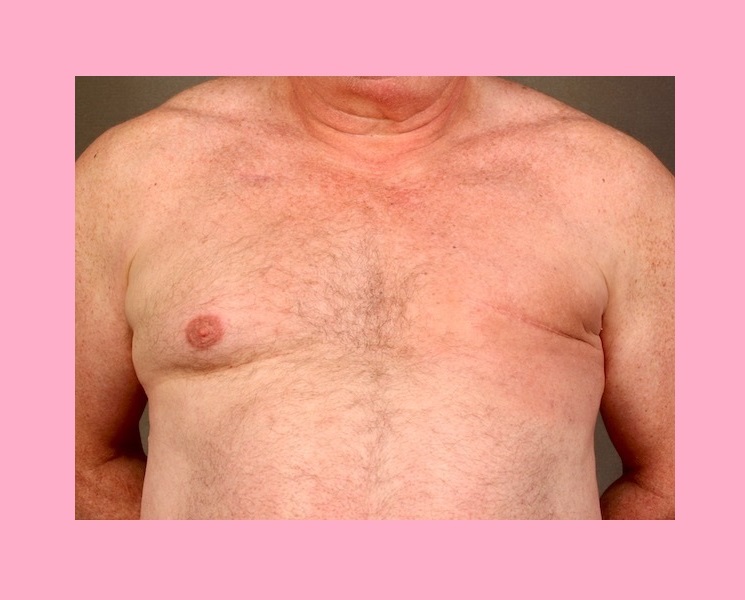
Some men may qualify for:
- Lumpectomy (breast-conserving surgery)
2) Radiation Therapy
Radiation may be used after surgery to destroy remaining cancer cells.
3) Hormone Therapy
Most male breast cancers are hormone receptor-positive and respond well to hormone-blocking medications such as tamoxifen.
4) Chemotherapy
Chemotherapy may be recommended depending on the stage and characteristics of the cancer.
5) Targeted Therapy
Patients with HER2-positive tumors may benefit from targeted medications.
Male Breast Cancer Survival Rate
Survival rates depend on how early the cancer is detected and whether it has spread.
Current five-year relative survival rates include:
| Cancer Stage | Five-Year Survival Rate |
|---|---|
| Localized Breast Cancer | 95% |
| Regional Breast Cancer | 84% |
| Metastatic Breast Cancer | 20% |
Men diagnosed at earlier stages generally have significantly better outcomes.
Can Male Breast Cancer Be Prevented?
While prevention is not always possible, men can reduce risk by:
- Maintaining a healthy weight
- Limiting alcohol consumption
- Staying physically active
- Discussing family history with a doctor
- Considering genetic testing if breast cancer runs in the family
Final Thoughts
Male breast cancer is rare but real. Because many men are unaware that they can develop breast cancer, diagnosis often occurs at a later stage.
Recognizing symptoms early and seeking prompt medical advice can improve treatment outcomes and survival rates.
If you notice any unusual changes in your breast tissue, nipple, or underarm area, consult your healthcare provider as soon as possible.
