
Cancer is surrounded by many myths and misconceptions that have existed for decades. While some of these beliefs may seem logical, they are often not supported by scientific evidence.
Unfortunately, misinformation about cancer can create unnecessary fear, delay diagnosis, and even prevent people from seeking proper treatment. Understanding the facts can help patients and families make informed decisions about prevention, screening, and care.
In this article, we address some of the most common cancer myths and explain what medical research actually says.
Is Cancer a Death Sentence?
No.
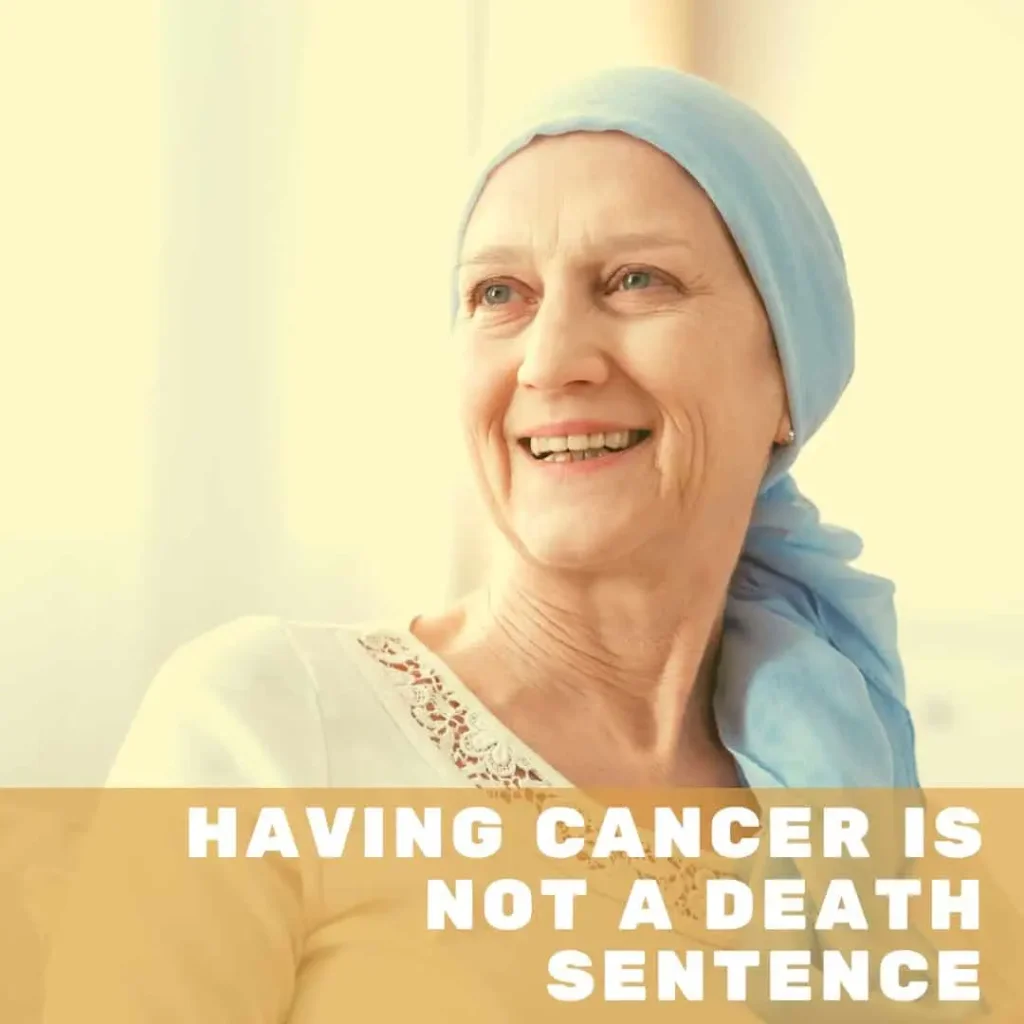
Cancer treatment and survival rates have improved significantly over the past few decades. Thanks to advances in early detection, surgery, chemotherapy, targeted therapy, immunotherapy, and radiation treatment, many cancers are now highly treatable.
Some cancers, including certain types of breast, prostate, and thyroid cancer, have very high survival rates when detected early.
However, every cancer diagnosis is different. Survival depends on several factors, including:
- The type of cancer
- The stage of cancer
- How quickly the cancer is growing
- Available treatment options
- The patient’s overall health
Early diagnosis remains one of the most important factors in improving outcomes.
Will Eating Sugar Make Cancer Worse?
No.
Cancer cells use glucose for energy, just like normal healthy cells do. However, there is no scientific evidence showing that eating sugar causes cancer to grow faster or that eliminating sugar will make cancer disappear.
That said, consuming excessive amounts of sugar may contribute to obesity, and obesity is associated with an increased risk of several types of cancer.
Maintaining a balanced diet and healthy body weight is important for overall health and cancer prevention.

Is Cancer Contagious?
In general, no.
Cancer cannot be spread through:
- Touching someone with cancer
- Sharing food or drinks
- Hugging or kissing
- Living in the same household
Cancer is not like the flu or a cold.
Certain infections, such as Human Papillomavirus (HPV) and Helicobacter pylori, can increase the risk of developing some cancers. However, the cancer itself cannot spread from one person to another.

Can Cancer Surgery or a Biopsy Cause Cancer to Spread?
No.
This is one of the most common cancer myths.
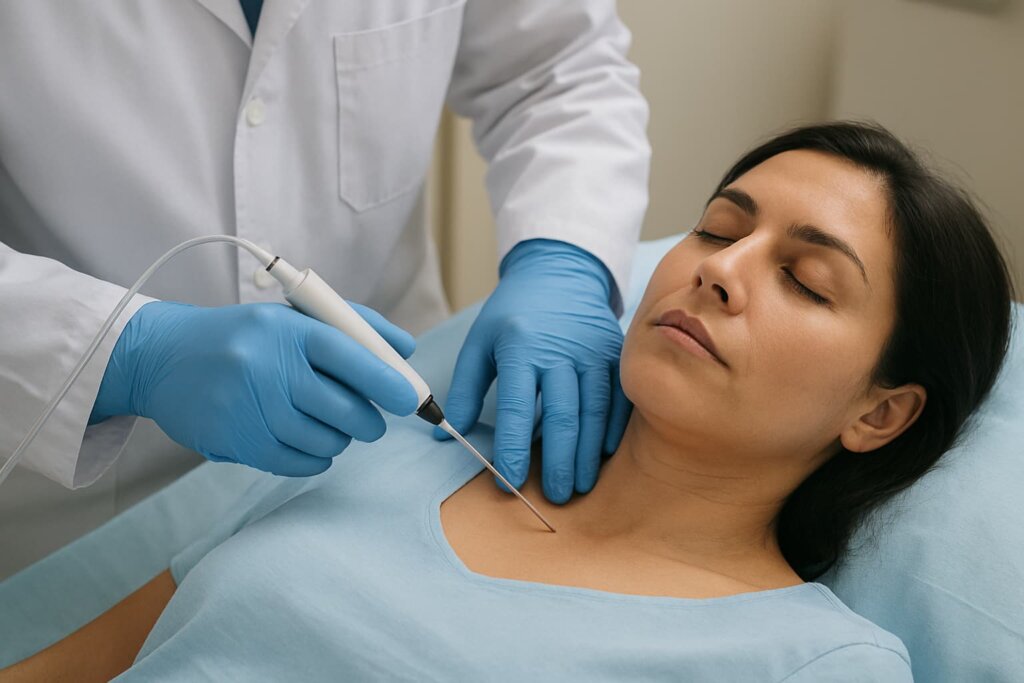
Modern surgical techniques and biopsy procedures are specifically designed to prevent cancer cells from spreading during treatment. The risk of cancer spreading because of surgery or biopsy is extremely low.
Doctors use strict safety measures and specialized surgical methods to minimize any risk.
Biopsies remain one of the most important tools for accurately diagnosing cancer and selecting the most effective treatment plan.
If Cancer Runs in My Family, Will I Get Cancer Too?
Not necessarily.
Only about 5% to 10% of cancers are directly linked to inherited genetic mutations.
Most cancers develop because of changes in genes that occur naturally during life due to aging and environmental exposures.
Having a family history may increase risk for certain cancers, but it does not guarantee that someone will develop the disease.
Final Thoughts
Cancer myths can spread fear and confusion, especially for patients and families facing difficult decisions. Relying on scientifically verified information helps people make informed choices about prevention, diagnosis, and treatment.
If you have concerns about cancer risks or treatment options, speak with a qualified healthcare professional who can provide guidance based on the latest medical evidence.
Knowledge is one of the most powerful tools in the fight against cancer.
