
The night before chemotherapy, a little quiet preparation goes a long way. Packing your bag, laying out comfortable clothes, arranging your ride, and setting up your home for your return means the morning itself can be slow and calm instead of rushed. None of it takes long — most people finish in under an hour — and it is one of the few parts of treatment days that is entirely in your control.
Key Takeaways
- Pack your infusion bag the night before: warmth layers, snacks, a water bottle, entertainment, a phone charger, and lip balm cover most of what people wish they had brought.
- Lay out comfortable clothes with easy access to your chest if you have a port — a button-front or wide-neck top makes the nurse’s job easier.
- Eat a normal, familiar meal and drink fluids in the evening, unless your care team has given you different instructions.
- Confirm your ride and your timings, and put your ID, insurance card, appointment details, and medication list by the door.
- Set up your home for your return — food ready, bed made, essentials within reach — and aim for an early, restful night.
Pack Your Chemo Bag
Infusion appointments can last several hours, and treatment rooms are often kept cool. Packing the night before means you are not hunting for a charger while half asleep. Our full chemo day bag checklist goes item by item; the essentials most people are glad of are:
- A soft blanket, warm socks, and a sweater or wrap you can layer.
- A water bottle and light, familiar snacks, in case you feel like eating during treatment.
- Entertainment for a long sit: a book, tablet, or headphones with music, a podcast, or a show downloaded.
- A phone charger with a long cable, or a charged power bank.
- Lip balm and unscented hand cream — infusion rooms are dry places. Unscented is a kindness, since many patients are sensitive to smells during treatment.
- A small notebook and pen for questions and for noting how you feel afterwards.
- Hard candies or mints, which some people find pleasant during infusions.
If you have a port, you may also want any cream your team has told you to apply beforehand — follow the timing instructions they gave you. Our guide to chemo port basics explains how ports work and what living with one is like.

Lay Out Comfortable Clothes
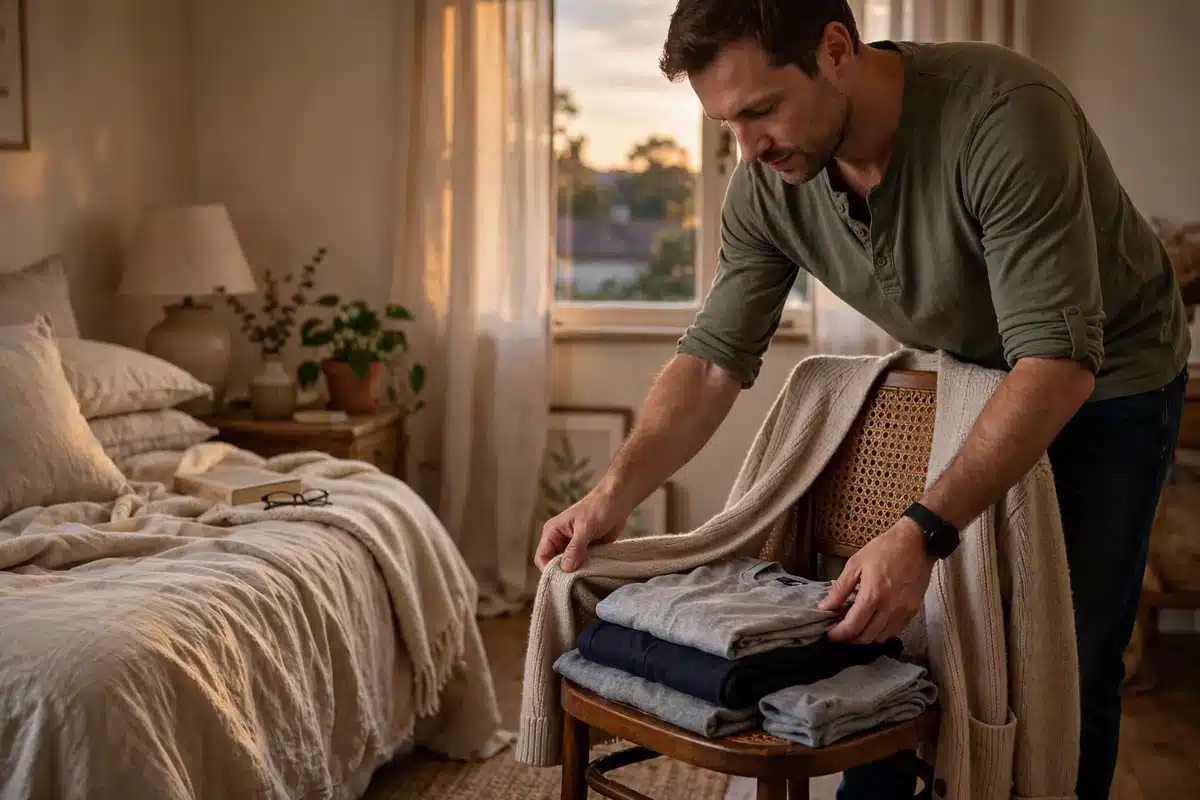
Choose tomorrow’s outfit tonight and lay it out where you can reach it half awake. Comfort comes first: soft fabrics, an easy waistband, and layers you can add or remove as the room temperature changes. If you have a port in your chest, pick a button-front shirt, a zip-up top, or a wide neckline so the nurse can reach the port without you having to rearrange your clothes. Slip-on shoes save bending and fussing. Skip perfume and scented lotions — during treatment, many people find strong smells unpleasant, and your neighbors in the infusion room may too.
Eat and Hydrate Normally
Unless your care team has told you otherwise, eat a normal evening meal of familiar foods — this is not the night for a rich, spicy, or brand-new dish. Drink water through the evening; arriving reasonably hydrated can make it easier for the nurse to find a vein if you do not have a port. Ask your team in advance about eating on the morning of treatment, because instructions vary: many people are encouraged to have a light breakfast, while some appointments come with specific guidance. The same applies to your regular medications — take them as usual unless your team has told you to hold or change something, and ask rather than guessing if you are unsure.
Go easy on alcohol the night before, or skip it: it disrupts sleep and adds to dehydration, and your team would rather you arrived rested. Also avoid starting any new supplement or remedy without checking with your team first — some products interfere with treatment, and the night before is the wrong time to experiment.
Paperwork, Ride, and Timings
- Confirm your ride. Many people feel tired or unwell after an infusion, and some pre-medications cause drowsiness, so plan for someone else to drive you home — or confirm your ride service tonight, not in the morning.
- Check the time and place. Confirm your appointment time, where to check in, and whether any blood tests happen first. Set out your ID, insurance card, and appointment letter together.
- Bring an up-to-date medication list. Include prescriptions, over-the-counter medicines, vitamins, and supplements, with doses — your team reviews this, and it saves guesswork.
- Charge your phone and put your care team’s number in it, along with the number of the person collecting you.
- Tell your companion the plan — pick-up time, where you will be, and roughly how long treatment takes — so nobody is guessing tomorrow. Our pillar guide on living through breast cancer treatment has more on organizing help around treatment days.
Set Up Your Home for Your Return
Think about the person you will be at 6 p.m. tomorrow: probably tired, possibly queasy, definitely glad everything is ready. Tonight, while you have energy:
- Put easy food in the fridge — soup, leftovers, or simple ingredients that need no real cooking — and a water bottle by your bed or sofa spot.
- Make the bed or set up the sofa with pillows and a blanket so you can go straight to rest.
- Lay out anything your team has told you to have at home, such as medicines for nausea that were prescribed in advance, exactly where you can find them.
- Put the thermometer where you know it is. Your team will tell you which temperatures mean you should call them — many teams ask patients to report a fever promptly during chemotherapy, so keep their instructions and phone numbers somewhere obvious, like the fridge door.
- Handle small chores now: pet food, a load of laundry, the bins. Tomorrow-you will be grateful.
For what the days after treatment can feel like and how people manage them, see our guides to chemotherapy and what to expect and managing chemotherapy side effects.
The Night-Before Checklist at a Glance
| Task | Done when… |
|---|---|
| Bag packed | Blanket, layers, snacks, water bottle, entertainment, charger, lip balm by the door |
| Clothes laid out | Comfortable outfit with easy chest access if you have a port |
| Evening meal | Normal, familiar food; water through the evening |
| Ride confirmed | Driver or ride service knows the time and place |
| Paperwork ready | ID, insurance card, appointment details, medication list together |
| Home set up | Easy food ready, rest spot made, thermometer and team phone numbers handy |
| Wind down | Alarm set, phone charging, lights out early |
Wind Down and Rest
Finish the evening gently. A shower, a short walk, some music, or a familiar show all help tell your body the day is over. It is completely normal to feel anxious the night before treatment — especially the first one — and many people sleep lightly. Do not be hard on yourself if rest is imperfect; a quiet, horizontal night still helps, and you can nap during the infusion. Avoid starting a sleeping aid you have never used before without asking your team. If nerves are running high, write your worries and questions in your notebook — getting them out of your head and onto paper genuinely helps, and you can take the list with you in the morning.
What to Do Next: The Morning Of
- Get up at the time you planned — no rush, because everything is ready.
- Eat and drink as your team instructed, and take your usual medications unless told otherwise.
- Dress in the clothes you laid out; apply any port cream at the time your team specified.
- Grab your bag, paperwork, and phone, and do one last check of the checklist above.
- Arrive a little early, take a breath, and let the team take it from there — and tell them how you are feeling, including any anxiety. They hear it every day and can help.
Frequently Asked Questions
Should I fast before chemotherapy?
Usually not — many people are encouraged to eat a light meal beforehand — but instructions vary by treatment and by clinic. Follow the specific guidance your care team gave you, and if nobody mentioned it, call and ask rather than guessing.
Can I take my usual medications the night before and the morning of treatment?
In most cases yes, but there are exceptions, which is why bringing an accurate medication list matters. Take your medicines as usual unless your team has specifically told you to hold or change one, and ask them about anything new — including vitamins and supplements.
What if I can’t sleep the night before?
You are in good company; it is one of the most common experiences before treatment days. Rest quietly even if you do not sleep deeply, avoid screens and caffeine late in the evening, and mention it to your team — if it happens every cycle, they can suggest approaches that are safe alongside your treatment.
Is it normal to feel very anxious before the first session?
Yes, completely. The unknown is usually the hardest part, and most people find the second session easier than the first because they know the room, the routine, and the staff. Tell your nurse how you feel — supporting patients through exactly this is part of their job.
Why do I need someone else to drive me home?
Treatment is tiring, and some of the medicines given alongside chemotherapy can make you drowsy or light-headed. Even if you end up feeling fine, having the ride arranged means you never have to make that judgment call while tired. Arrange it the night before so it is one less thing to think about.
Related Articles
- Living Through Breast Cancer Treatment: A Practical Day-to-Day Guide
- Chemo Day Bag Checklist: What to Pack for Infusion Days
- What Is a Chemo Port? How It Works and What Living With One Is Like
- Chemotherapy for Breast Cancer: What to Expect
- Managing Chemotherapy Side Effects
This article is for general educational purposes only and is not medical, legal, or financial advice. It does not replace professional care. Talk to your doctor or care team about your own situation. If you think you may have a medical emergency, call 911.